
Shop for blemish care for ten minutes and the same handful of words keeps appearing: spot patch, hydrocolloid, dark spot corrector. They sound interchangeable, yet each one describes something different, which is how shoppers end up with a patch built for fresh breakouts when the real concern is a mark that has been there for weeks.
Plain definitions come first below, followed by what to scan for on the back of the pack and how combined sets handle the difference. Wording shifts from brand to brand, so the focus stays on terms that hold up on any label.
Three Label Terms That Get Mixed Up
Spot Patch
Spot patch is a format word. It covers any small adhesive sticker placed over a single blemish or mark, and it says nothing about what the sticker contains or what it is meant to do, so the name alone cannot tell two products apart.
Hydrocolloid
Hydrocolloid describes the material of the patch itself, a gel-forming base that absorbs fluid and holds a moist layer over the spot. Plenty of patches use it, but others rely on different bases, which is why the pack is worth checking for the word rather than assuming it.
Dark Spot Corrector
Dark spot corrector is a category name for products aimed at the marks left behind once a blemish has settled. These usually lean on brightening-type ingredients such as vitamin C or niacinamide, and the term appears on serums just as often as on patches.
How Do Dark Spot Patches Differ From Blemish Patches?
Timing is the main difference. Blemish patches are built for emerging bumps, so their ingredient lists tend to feature oil-control and exfoliating ingredients such as zinc and salicylic acid. Dark spot patches are built for what remains afterward, so the lists shift toward brightening and soothing ingredients instead.
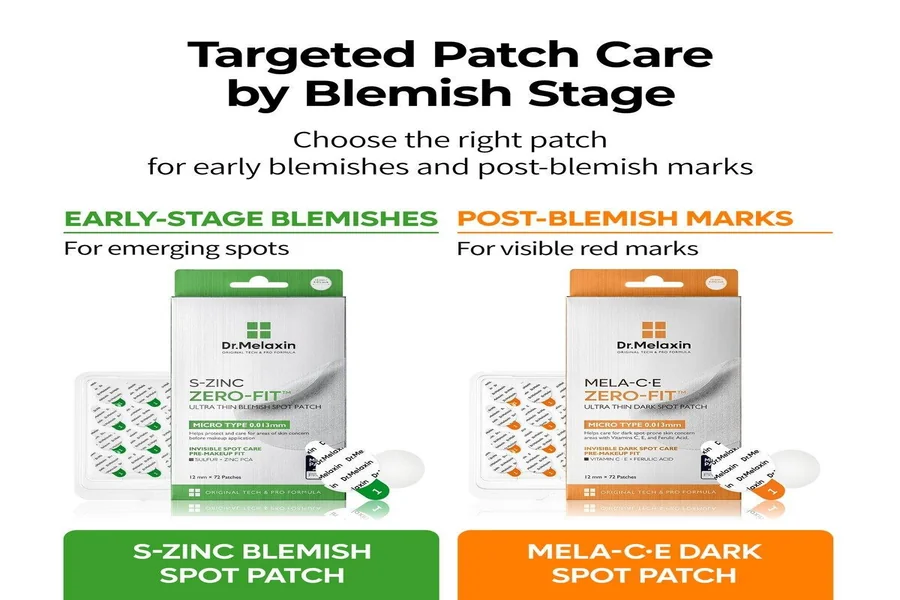
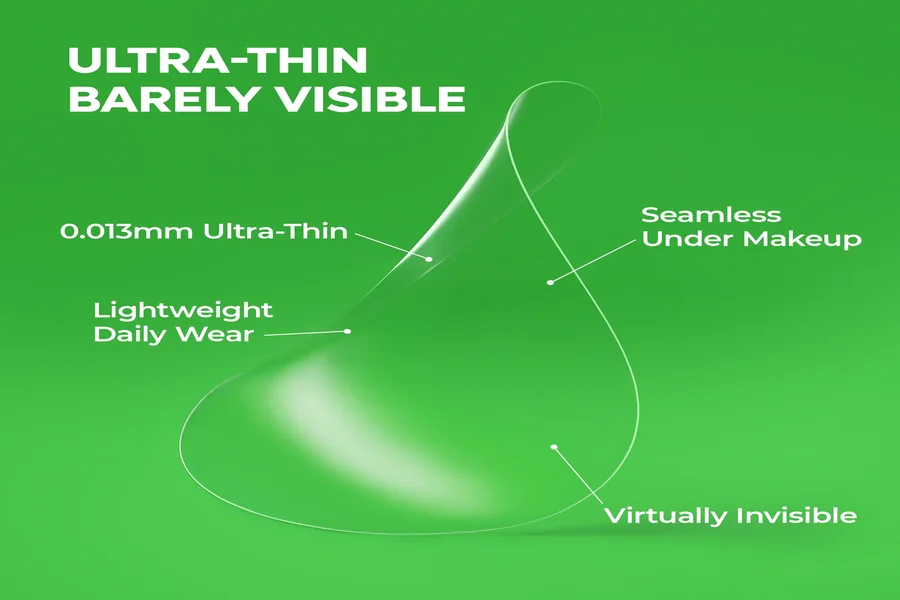
Combined sets exist for exactly this reason, since a breakout rarely stays at one stage. The ultra-thin dark spot patch duo from Dr.Melaxin is one example, pairing an S-ZINC blemish patch with a MELA-C·E dark spot patch in a single set. Both are described as 0.013mm thin and clear, with a makeup-friendly finish, so the two stages can be covered with the same wear format.
Reading the Label at a Glance
| Label term | What it usually describes | What to check on the pack |
| Spot patch | The format, a small adhesive sticker | The active ingredients and the stage it targets |
| Hydrocolloid | The base material of the patch | Whether the pack names it, and how thick the patch is |
| Blemish patch | Care aimed at emerging bumps | Listed actives such as zinc or salicylic acid |
| Dark spot corrector | Care aimed at post-blemish marks | Brightening ingredients such as vitamin C and niacinamide |
| Ultra-thin or makeup-friendly | The wear format | Stated thickness and whether the patch is clear |
What to Scan on the Back of the Pack
A quick scan of four details separates a patch that suits the concern from one that only sounds right.
- The named actives, since these show whether the formula targets oil, texture or tone
- The stage the patch is meant for, either an emerging blemish or a lingering mark
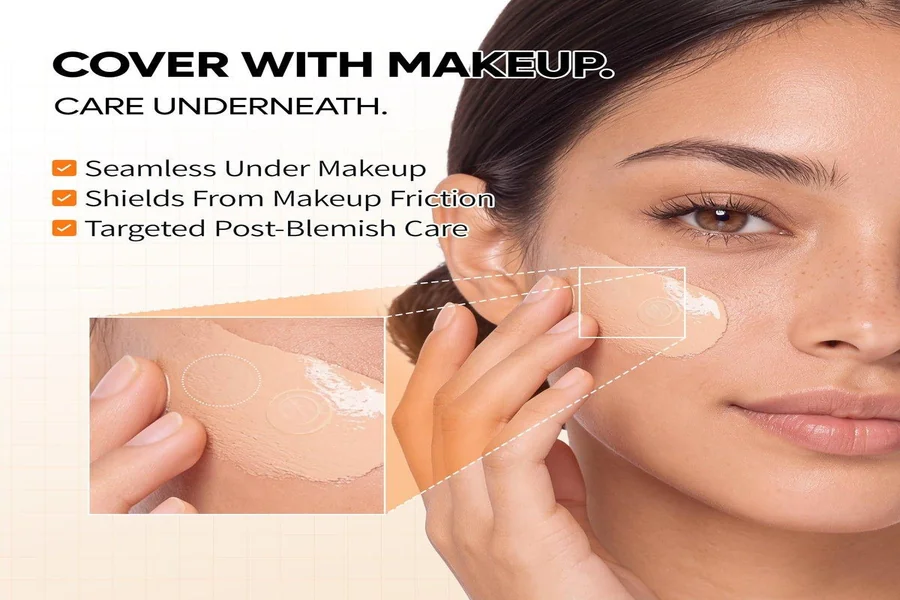
- The stated thickness and finish, which matter most when the patch will be worn under makeup
- The usage directions, including where on the face the patch is meant to go
Why Ingredients Matter More Than Buzzwords
Ingredient lists are where two similar-looking patches stop looking alike. The S-ZINC patch lists zinc PCA, salicylic acid and sulfur alongside soothing plant extracts, which points to oil control and early-stage care. The MELA-C·E patch lists vitamin C, vitamin E, ferulic acid, niacinamide and glutathione with ceramide NP and cholesterol, which points to tone and comfort instead.
Notably, the product page for that set highlights its actives rather than naming a hydrocolloid base, a useful reminder to read for ingredients and not just for the popular word. Two patches can share a label term and still do very different jobs.
Choosing Words and Products With Care
Product wording rewards the same habit as good writing, which is deciding what to prioritize and putting it first. For a patch, that means the concern and the ingredients ahead of the packaging language. Comparing two options also comes down to which is genuinely better than the other for the specific stage of the spot, rather than which sounds more impressive on the front of the box.
How Do You Choose Between a Spot Patch and a Dark Spot Corrector?
Match the product to the stage. An emerging blemish calls for a patch with oil-control and exfoliating ingredients, while a mark that lingers after a blemish settles calls for brightening ingredients. Sets that pair both formats cover the full cycle without guesswork, and anyone with sensitive skin can test a single patch on a small area first.
Reading the label in this order keeps the decision simple: stage first, then actives, then thickness and finish. The terms stop being interchangeable once each one is tied back to what the product actually does.
