
“Fun” is one of those words we reach for without thinking. It’s short, familiar, and gets the point across. But when you use the same word over and over in an email, an essay, or even a text to a friend, your writing starts to sound flat.
Swapping in the right synonym at the right moment makes your message more vivid and shows the reader exactly what kind of “fun” you mean—is it exciting, relaxing, silly, or just plain enjoyable? Better word choices make your writing feel more alive and more precise, and that’s what this guide is here to help with.
What Does “Fun” Really Mean?
At its core, “fun” describes something that brings enjoyment, amusement, or pleasure. It’s a feeling of lightness, the opposite of stress or boredom.
Think about a Saturday afternoon spent playing board games with your family. Nobody’s checking the clock; nobody’s stressed about work. That easy, laughing, carefree feeling? That’s fun. The word covers everything from quiet enjoyment to loud excitement, which is exactly why it gets overused—it’s trying to do too many jobs at once.
Why Look for Alternatives to “Fun”?
“Fun” works fine in casual speech, but it starts to feel repetitive when you use it in every sentence of an article, review, or story. It’s also vague. Saying an event was “fun” doesn’t tell your reader whether it was thrilling, relaxing, hilarious, or just pleasant.
In professional writing, “fun” can sound a little too casual or childish, especially in emails to clients or formal reports. And in creative writing, repeating “fun” flattens your tone instead of building it. Choosing a more specific synonym helps your reader feel exactly what you felt, instead of settling for a generic word that could mean almost anything.
35 Synonyms for “Fun” and How to Use Them
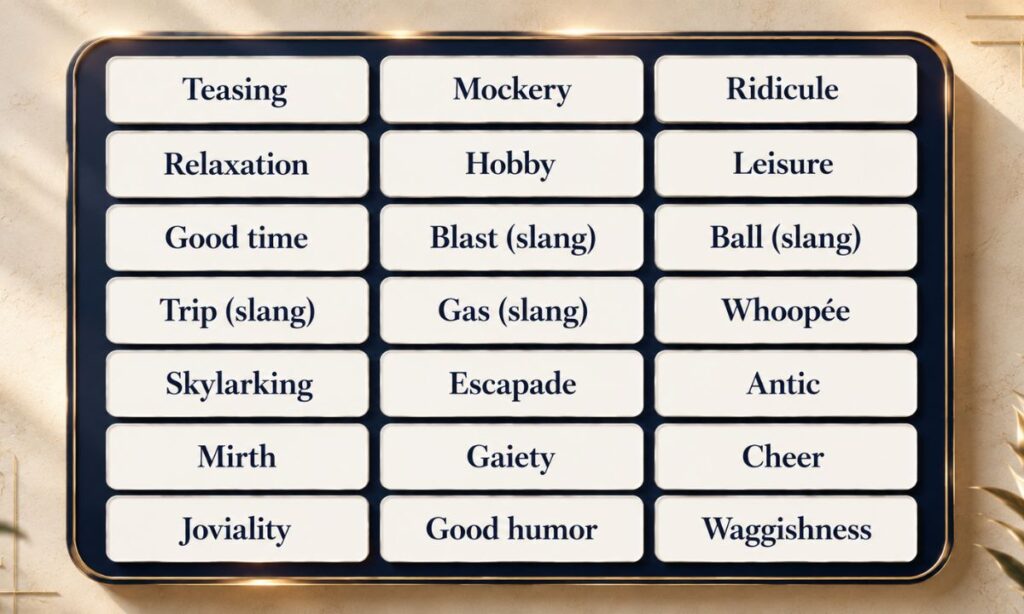
Enjoyable
Meaning: Something enjoyable brings satisfaction or pleasure without necessarily being loud or exciting. It’s a calmer, more measured way to say something was good to experience. This word works well when you want to sound genuine rather than overly enthusiastic. It fits nearly any setting, from casual chats to polished writing.
Example: The hiking trip turned out to be more enjoyable than we expected.
When It Fits: Describing a low-key activity, like a walk, a meal, or a quiet weekend.
Entertaining
Meaning: This word points to something that holds your attention and keeps you amused, often through performance or storytelling. It suggests active engagement rather than passive relaxation. Use it when something made you laugh, gasp, or lean forward in interest. It carries a slightly more polished tone than “fun.”
Example: The comedian’s set was genuinely entertaining from start to finish.
When It Fits: Talking about movies, shows, speakers, or performances.
Amusing
Meaning: Amusing describes something that makes you smile or laugh, usually in a light and gentle way. It’s less intense than “hilarious” but still carries warmth. This word suits situations where humor is present but subtle. It works nicely in writing that wants to stay understated yet clever.
Example: Her dry sense of humor made the meeting oddly amusing.
When It Fits: Describing witty remarks, small jokes, or lighthearted moments.
Delightful
Meaning: “Delightful” suggests something that brings genuine happiness and charm, often unexpectedly. It has a warmer, more elegant tone than “fun.” This word is perfect for moments that feel special rather than just entertaining. It adds a touch of sincerity to your writing.
Example: The surprise picnic in the park was absolutely delightful.
When It Fits: Describing pleasant surprises, gatherings, or small joyful details.
Exciting
Meaning: “Exciting” captures energy, anticipation, and a rush of feeling. It’s used when something gets your heart racing or your attention fully locked in. This word works best for high-energy events rather than calm ones. It signals enthusiasm without sounding exaggerated.
Example: The final match of the tournament was incredibly exciting.
When It Fits: Sports, competitions, announcements, or thrilling experiences.
Enjoyment
Meaning: As a noun, enjoyment refers to the feeling of pleasure itself, rather than the activity that caused it. It’s a more reflective word, often used when describing an overall experience. This term suits writing that focuses on emotional response. It reads as slightly more formal than “fun.”
Example: There’s real enjoyment in learning something new every day.
When It Fits: Reflecting on hobbies, personal growth, or general life satisfaction.
Pleasurable
Meaning: “Pleasurable” leans toward physical or sensory satisfaction, though it also works for general experiences. It has a smoother, more sophisticated tone. This word is a good fit for describing food, travel, or comfort-based experiences. It avoids sounding childish, which makes it useful in formal contexts too.
Example: Sitting by the fire with a good book is a pleasurable way to end the day.
When It Fits: Describing comfort, relaxation, or sensory experiences.
Playful
Meaning: Playful describes a light, mischievous, or teasing energy, often connected to games or humor. It’s less about the activity and more about the attitude behind it. This word adds personality to your writing. It works well when describing people, tones, or interactions rather than events.
Example: Their playful banter made the long car ride feel shorter.
When It Fits: Describing personalities, teasing, or lighthearted conversations.
Lively
Meaning: Lively suggests energy, movement, and a buzzing atmosphere. It’s often used for places or gatherings rather than single moments. This word gives your writing a sense of motion and vibrancy. It’s a strong choice when describing crowds, music, or busy scenes.
Example: The street market had a lively atmosphere full of music and color.
When It Fits: Describing festivals, parties, or bustling environments.
Thrilling
Meaning: Thrilling goes a step beyond exciting, describing something that produces a strong physical or emotional rush. It’s often tied to risk, speed, or surprise. This word suits intense experiences that leave a lasting impression. Use it sparingly so it keeps its impact.
Example: The roller coaster ride was thrilling from the very first drop.
When It Fits: Describing adventure activities, suspenseful moments, or big reveals.
Recreational
Meaning: “Recreational” is a formal, practical word used to describe activities done for leisure rather than work. It’s less emotional and more descriptive of purpose. This word suits official or structured writing, like brochures or reports. It removes any hint of casualness while still meaning “fun.”
Example: The community center offers several recreational programs for teenagers.
When It Fits: Formal descriptions of hobbies, sports, or leisure programs.
Engaging
Meaning: Engaging describes something that holds your interest and pulls you in, whether it’s a task, story, or person. It focuses on attention rather than pure enjoyment. This word is useful when you want to highlight involvement, not just amusement. It works especially well in professional and educational writing.
Example: The workshop was surprisingly engaging, with everyone participating actively.
When It Fits: Describing lessons, presentations, or interactive experiences.
Hilarious
Meaning: Hilarious means extremely funny, often to the point of laughing out loud. It’s a strong, expressive word that shouldn’t be overused. This term adds humor and energy to your writing instantly. It fits best in casual or storytelling contexts rather than formal ones.
Example: His impression of the manager was absolutely hilarious.
When It Fits: Describing jokes, funny stories, or comedic moments.
Joyful
Meaning: “Joyful” describes deep, genuine happiness rather than surface-level amusement. It carries emotional weight and warmth. This word suits meaningful occasions, like celebrations or milestones. It’s a good choice when “fun” feels too shallow for what you’re describing.
Example: The reunion was a joyful moment none of us will forget.
When It Fits: Weddings, reunions, holidays, or emotional celebrations.
Merry
Meaning: “Merry” has a festive, old-fashioned charm, often linked to holidays and celebration. It suggests cheerfulness that’s shared with others. This word adds warmth and a touch of nostalgia to your writing. It works especially well around winter holidays or community gatherings.
Example: The whole street felt merry with lights, music, and laughter.
When It Fits: Holiday writing, festive events, or community celebrations.
Blast
Meaning: A blast is an informal way to describe something extremely fun, usually said after the fact. It’s energetic and casual, often used in spoken conversation. This word signals genuine enthusiasm without sounding formal at all. Save it for relaxed, personal writing or messages.
Example: We had a total blast at the beach this weekend.
When It Fits: Texting friends or writing casual social posts.
Riot
Meaning: When used informally, a riot describes something wildly funny or entertaining, usually a person or event. It’s playful slang that adds humor and exaggeration. This word works well in storytelling or reviews with a conversational tone. It’s not suited for formal writing.
Example: My cousin’s wedding speech was an absolute riot.
When It Fits: Informal storytelling, reviews, or recounting funny events.
Good time
Meaning: This phrase is a simple, friendly way to say an experience was enjoyable overall. It doesn’t specify intensity, which makes it flexible and easy to use. This phrase works well when you want to keep things casual and relatable. It reads naturally in everyday speech.
Example: We had a good time catching up over coffee.
When It Fits: Everyday conversations about outings, meetups, or casual plans.
Kick
Meaning: Getting a “kick” out of something means it gave you a burst of enjoyment or amusement, often unexpectedly. It’s playful, informal slang with a punch of personality. This phrase suits light, conversational writing. It works especially well for describing small, surprising joys.
Example: I get such a kick out of watching old cartoons.
When It Fits: Casual conversation, especially about small personal joys.
Gas
Meaning: As slang, “gas” describes something extremely funny or entertaining, often used in a lighthearted, exaggerated way. It’s informal and regional in flavor. This word adds personality and humor to casual writing. It’s best avoided in professional contexts since it can sound dated or unclear to some readers.
Example: That improv show was an absolute gas.
When It Fits: Casual storytelling among friends or informal reviews.
Ball
Meaning: Having a “ball” means having a wonderful, carefree time, usually at an event or gathering. It’s warm, informal, and instantly recognizable. This phrase works well in friendly writing and conversation. It’s a great alternative when “fun” feels too plain for how great the experience was.
Example: The kids had a ball at the amusement park all day.
When It Fits: Describing parties, outings, or group activities among friends.
Whoopee
Meaning: Whoopee is a playful, old-fashioned exclamation and noun used to express excited enjoyment. It’s rarely used seriously today, which makes it useful for humor or nostalgia. This word adds a lighthearted, almost comic tone to writing. Use it sparingly for effect rather than as a default choice.
Example: The kids let out a “whoopee!” as the roller coaster took off.
When It Fits: Playful, nostalgic, or humorous writing.
Diverting
Meaning: Diverting describes something that pulls your attention away from routine or stress in a pleasant way. It has a slightly literary, formal tone. This word suits writing that wants to sound polished without losing warmth. It works particularly well when describing books, films, or hobbies.
Example: The novel proved to be a diverting escape from a stressful week.
When It Fits: Formal or literary descriptions of entertainment.
Cheerful
Meaning: Cheerful describes a bright, positive mood rather than a specific activity. It focuses on emotional tone more than the event itself. This word is useful when describing people, atmospheres, or ongoing feelings rather than one-time experiences. It adds warmth without sounding overly excited.
Example: Her cheerful energy made the whole office feel lighter.
When It Fits: Describing personalities, moods, or general atmosphere.
Festive
Meaning: Festive describes a celebratory mood, usually connected to holidays, decorations, or special occasions. It’s specific and evocative, painting a clear picture instantly. This word suits writing about events with a communal, celebratory feel. It’s less useful for everyday, non-celebratory fun.
Example: The office looked festive with string lights and holiday music playing.
When It Fits: Holiday events, parties, or celebratory occasions.
Jovial
Meaning: Jovial describes a warm, hearty, good-humored personality or mood, often linked to laughter and friendliness. It has a slightly old-fashioned charm. This word works well for describing people rather than events. It adds character and warmth to descriptions of hosts, friends, or gatherings.
Example: The jovial host made every guest feel instantly welcome.
When It Fits: Describing friendly, warm-hearted people or hosts.
Rollicking
Meaning: Rollicking describes high-energy, boisterous fun, often with a sense of movement and noise. It’s vivid and expressive, painting an active scene. This word suits storytelling and descriptive writing rather than plain statements. It works best for group activities full of energy.
Example: The night turned into a rollicking celebration full of music and dancing.
When It Fits: Describing lively parties, road trips, or group adventures.
Wild
Meaning: Used informally, “wild” describes an experience that was intense, unpredictable, and exciting, sometimes bordering on chaotic. It carries strong energy and works well for dramatic storytelling. This word is casual and expressive. Save it for moments that genuinely felt out of the ordinary.
Example: Last night’s concert was wild — we didn’t stop dancing for hours.
When It Fits: Recounting intense, memorable nights or unexpected events.
Silly
Meaning: Silly describes light, foolish fun, often involving jokes, games, or nonsense. It carries an innocent, carefree quality. This word works especially well for children’s activities or relaxed moments between friends. It’s not suited for formal or serious writing.
Example: We spent the evening playing silly games and laughing at nothing in particular.
When It Fits: Describing playful, carefree moments with friends or kids.
Light-hearted
Meaning: “Light-hearted” describes an easygoing, cheerful tone free from stress or seriousness. It focuses on mood rather than intensity. This phrase suits writing about relaxed gatherings or casual entertainment. It’s a great alternative when you want warmth without excitement.
Example: The dinner turned into a light-hearted conversation about old memories.
When It Fits: Describing relaxed conversations or gentle humor.
Frolicsome
Meaning: Frolicsome is a playful, somewhat old-fashioned word describing energetic, carefree movement or behavior, often linked to nature or animals. It adds charm and personality to descriptive writing. This word suits creative or lighthearted pieces rather than everyday conversation. It’s rarely used in speech but shines in writing.
Example: The frolicsome puppies chased each other around the yard for hours.
When It Fits: Creative writing about animals, children, or carefree scenes.
Spirited
Meaning: “Spirited” describes energy, enthusiasm, and liveliness, often in the context of discussion or competition. It suggests passion as much as enjoyment. This word works well for debates, performances, or determined efforts. It adds a sense of drive to your writing.
Example: The debate turned into a spirited exchange of ideas.
When It Fits: Describing lively discussions, competitions, or performances.
Refreshing
Meaning: “Refreshing” describes something that feels renewing, especially after stress or routine. It’s less about excitement and more about relief and lightness. This word suits writing about breaks, vacations, or simple pleasures. It gives a sense of restored energy rather than loud enjoyment.
Example: A weekend by the lake was exactly the refreshing break we needed.
When It Fits: Describing vacations, breaks, or calming experiences.
Satisfying
Meaning: “Satisfying” describes a deep sense of fulfillment rather than excitement or laughter. It works well for accomplishments or well-earned enjoyment. This word suits writing about hobbies, projects, or personal achievements. It adds depth compared to a simple “fun.”
Example: Finishing the puzzle after a whole afternoon felt incredibly satisfying.
When It Fits: Describing hobbies, projects, or personal accomplishments.
Charming
Meaning: Charming describes something appealing and pleasant in a gentle, attractive way. It’s warm without being loud or excessive. This word suits descriptions of places, people, or small moments that leave a good impression. It adds elegance to your writing without losing warmth.
Example: The little café had a charming atmosphere that made us want to stay all afternoon.
When It Fits: Describing places, small towns, or pleasant first impressions.
Which Alternative Should You Use?
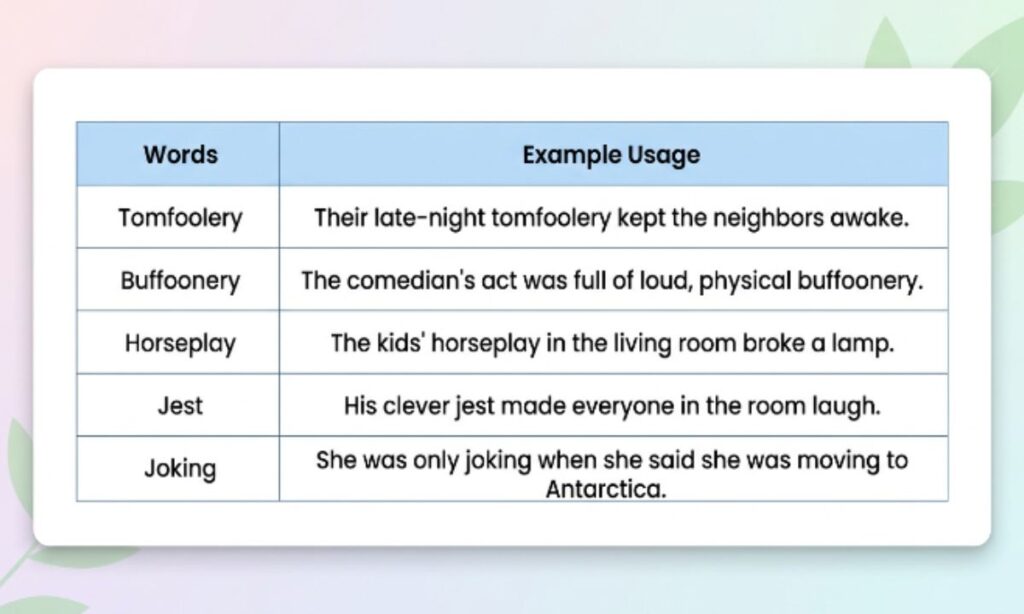
The right synonym depends on who you’re talking to and where.
For work and professional writing, stick with calmer, more polished words like enjoyable, engaging, recreational, or satisfying. They sound credible without losing warmth.
For emails, especially to clients or colleagues, choose words like “pleasurable,” “enjoyable,” or “engaging.” Avoid slang like “blast,” “gas,” or “ball,” which can feel too casual for a professional inbox.
For friends and casual texts, feel free to use “blast,” “ball,” “kick,” “wild,” or “riot.” These words carry personality and match the tone of relaxed conversation.
For school and academic writing, lean on entertaining, engaging, diverting, or amusing. They sound thoughtful without being stiff.
For everyday conversation, almost anything works, but words like “good time,” “lively,” or “cheerful” tend to sound the most natural when spoken out loud.
Common Mistakes
Using slang in formal writing. Words like “gas,” “ball,” or “riot” feel out of place in emails, reports, or academic essays. Save them for casual conversation.
Choosing intensity that doesn’t match the moment. Calling a quiet dinner “thrilling” or “wild” feels exaggerated and can make your writing sound insincere.
Repeating the same synonym too often. Swapping “fun” for “enjoyable” and then using “enjoyable” five more times creates the same problem all over again. Vary your word choices throughout a piece.
Ignoring the emotional tone of the word. “Satisfying” and “hilarious” describe very different feelings. Match the word to the actual emotion, not just the general idea of fun.
Forcing a synonym where “fun” already works fine. Not every sentence needs a fancier word. Sometimes “fun” is still the clearest, most natural choice, and that’s perfectly okay.
Quick Guide Table
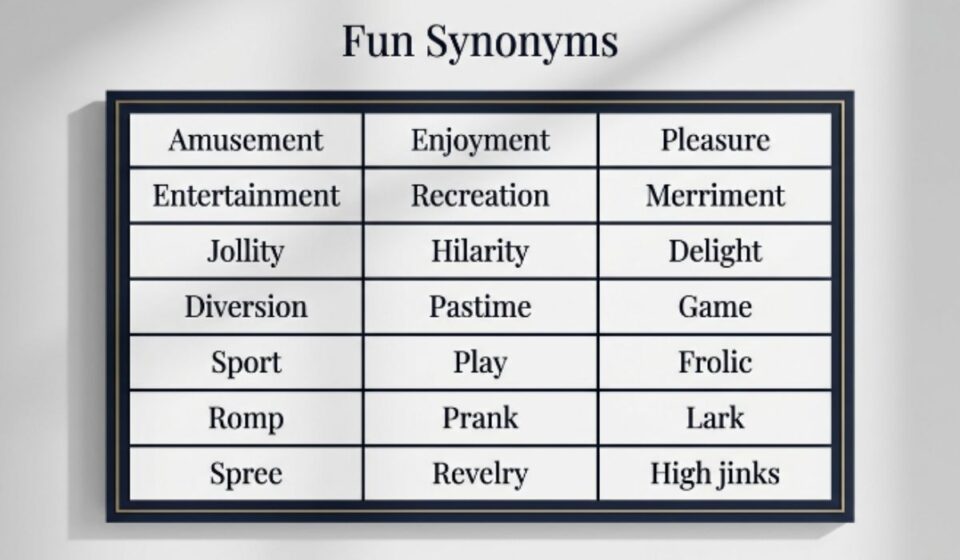
Beyond the 35 words above, here are 15 more synonyms related to “fun” that are useful to keep in your back pocket. This table shows where each one fits best, whether you’re writing a formal report, texting a friend, sending a work email, or just chatting out loud.
Use it as a quick reference whenever you’re not sure which word suits the moment. A quick scan can save you from reaching for “fun” one more time.
| Phrase | Formal | Casual | Conversation | |
| Amusement | Yes | No | Yes | Yes |
| Merriment | Yes | No | No | No |
| Frolic | No | Yes | No | Yes |
| Gaiety | Yes | No | No | No |
| Jollity | Yes | No | No | Yes |
| Mirth | Yes | No | No | No |
| Revelry | Yes | Yes | No | Yes |
| Escapade | No | Yes | No | Yes |
| Lark | No | Yes | No | Yes |
| Romp | No | Yes | No | Yes |
| High jinks | No | Yes | No | Yes |
| Tomfoolery | No | Yes | No | Yes |
| Shenanigans | No | Yes | No | Yes |
| Hoot | No | Yes | No | Yes |
| Pastime | Yes | Yes | Yes | Yes |
Conclusion
Words shape how people feel about what you’re saying, and “fun” is just one small piece of a much bigger vocabulary. With 35 alternatives at your fingertips, you can match your tone to the moment, whether that’s a work email or a text to a friend. Next time you’re about to type “fun,” pause for a second and pick the word that actually fits.