
Ask for a weed eater in an Australian hardware store and you will probably be understood, but the person serving you will call it something else. Garden tools pick up different names from country to country and even from one generation to the next, which makes shopping, searching online and borrowing from a neighbour more confusing than it needs to be.
Bedding has the same problem, as anyone who has tried to work out whether to say quilt, duvet or doona will know. The sections below sort out the three terms that cause the most mix-ups in the shed (trimmer, edger and whipper snipper) and set them beside the other garden tool names Australians use.
What Is a Whipper Snipper Called Outside Australia?
Across Australia, whipper snipper is the everyday name for the hand-held tool that spins a length of nylon line to cut grass a mower cannot reach. Retailers and manuals tend to print the more formal line trimmer, yet the nickname is what most people say over the fence.
Americans know the same tool as a string trimmer, weed eater or weed whacker, the middle one borrowed from an early brand that became a household word. British gardeners say strimmer, another brand name that stuck. English splits along these lines all the time, in the same way that spoilt and spoiled divide British and American writers, and none of the garden tool names is wrong.
Knowing the overseas terms helps when reading reviews, watching repair videos or ordering parts, since much of that material is written for American or British audiences.
A Quick Glossary of Australian Garden Tool Names
Most of the confusion clears up once the Australian term sits next to its overseas equivalents. The table covers the tools that turn up most often in catalogues and in conversation.
| Australian term | Also called | What it does |
| Whipper snipper | Line trimmer, string trimmer, strimmer (UK), weed eater (US) | Cuts grass with a spinning line where a mower cannot reach |
| Edger | Lawn edger, edge trimmer | Cuts a vertical line between lawn and a path or driveway |
| Brush cutter | Brushcutter, clearing saw | Clears thick weeds and long grass with a metal blade |
| Secateurs | Pruners, pruning shears (US) | Hand tool for cutting stems and small branches |
| Hedge trimmer | Hedge cutter (UK) | Shapes hedges and shrubs with a long reciprocating blade |
| Blower | Leaf blower | Clears leaves and clippings from paths and paving |
Secateurs are a good example of a word that travels poorly, because an American catalogue lists the same hand tool under pruners or pruning shears.
Lawn areas have their own local vocabulary too. The grass between the footpath and the road is the nature strip in much of eastern Australia and the verge in Western Australia, and it is often the first place a new whipper snipper gets used.
Is a Trimmer the Same as an Edger or a Whipper Snipper?
Two of the three names belong to one tool, since trimmer and whipper snipper are interchangeable, while an edger does a different job. That difference matters more than the vocabulary, and three terms cover almost every listing you will see.
Trimmer or Whipper Snipper
Both words mean a tool held above the ground with its cutting head roughly horizontal, used to tidy grass around trees, fence posts, garden beds and anywhere else a mower deck cannot fit. Line trimmer is simply the catalogue version of the same thing.
Edger
Edging means cutting a clean vertical line where lawn meets a path, driveway or kerb. Dedicated edgers have a blade and a guide wheel, although many trimmers can be turned on their side or have a rotating head to do the same work.
Brush Cutter
Heavier growth such as thick weeds, long grass and light scrub calls for a brush cutter, which swaps the line for a metal blade and usually has more power behind it. Some lighter tools accept flexible blades as well as a metal one, which blurs the boundary between the two names.
Shop Listing Terms for Australian Garden Tools
Product pages add a second layer of jargon on top of the tool names themselves. A few terms appear on nearly every Australian listing for cordless garden tools and are easy to misread.
- Skin or tool only means the tool is sold without a battery or charger
- Kit means the battery and charger are in the box
- Cutting path or cutting width is the diameter of the circle the line or blade sweeps
- Brushless describes the motor type, which generally runs more efficiently than a brushed motor
- Ah (amp hours) is battery capacity, so a higher number means longer run time at the same voltage
Searching with both the nickname and the formal name is the simplest habit to adopt, because some Australian stores file the same product under whipper snipper and others under line trimmer.
A Cordless Whipper Snipper That Mows and Edges
Some newer tools make the naming debate less important by doing several jobs at once. The Lawno from Gardeners Crate is sold in Australia as a 3-in-1 lawn mower, whipper snipper and edger, so one cordless whipper snipper covers the trimming, the edging and the mowing of a small lawn.
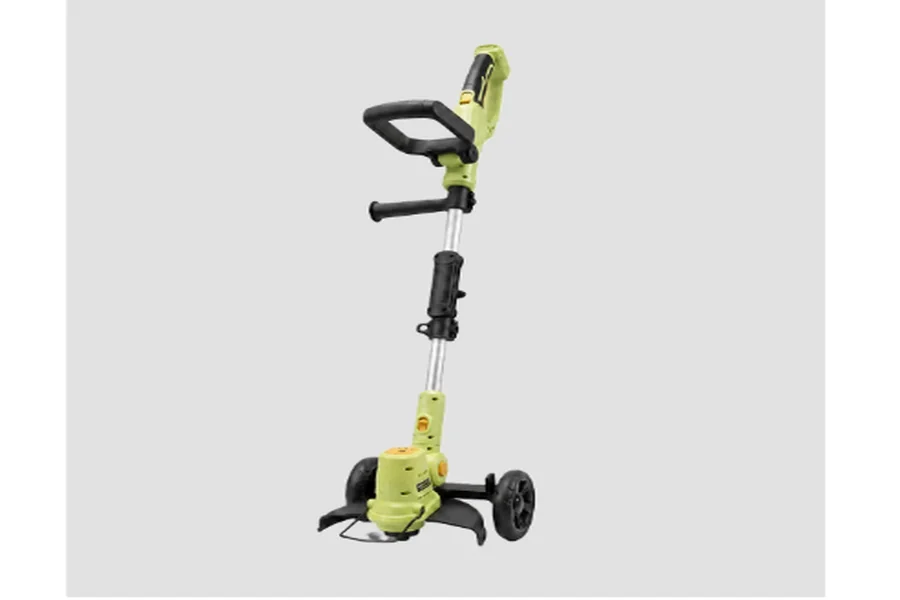
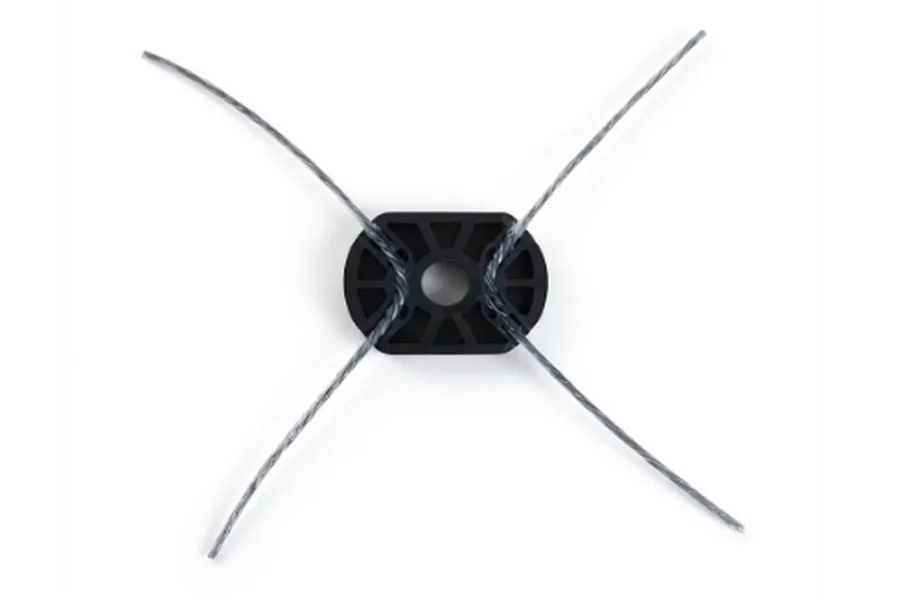
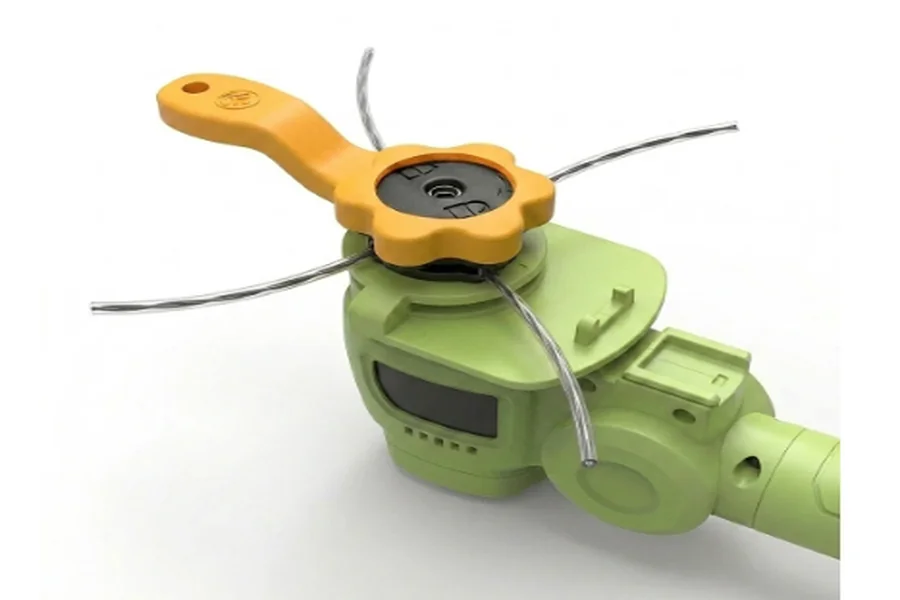
Snap-on wheels and three cutting heights handle the mowing, and a rotating head with a guide wheel takes care of edges. In place of a spool of line it uses flexible blades that snap on and off, with a metal blade included in the kit for thicker grass and weeds, which nudges it towards brush cutter territory as well.
The tool weighs about 2.4 kg with its 20V 2.5Ah battery fitted and runs for 45 minutes or more per charge on an 800W brushless motor. Gardeners Crate backs it with a 3-year replacement warranty and a 30-day trial.
What Do Australians Call a Weed Eater?
Australians call a weed eater a whipper snipper in conversation and a line trimmer on the box. An edger is the tool, or the trimmer setting, that cuts the line along a path, and a brush cutter is the heavier version with a metal blade.
Keeping those garden tool names straight makes it easier to search Australian stores, compare listings and follow advice written overseas. The label changes with the country and the generation, while the job the tool does stays the same.
