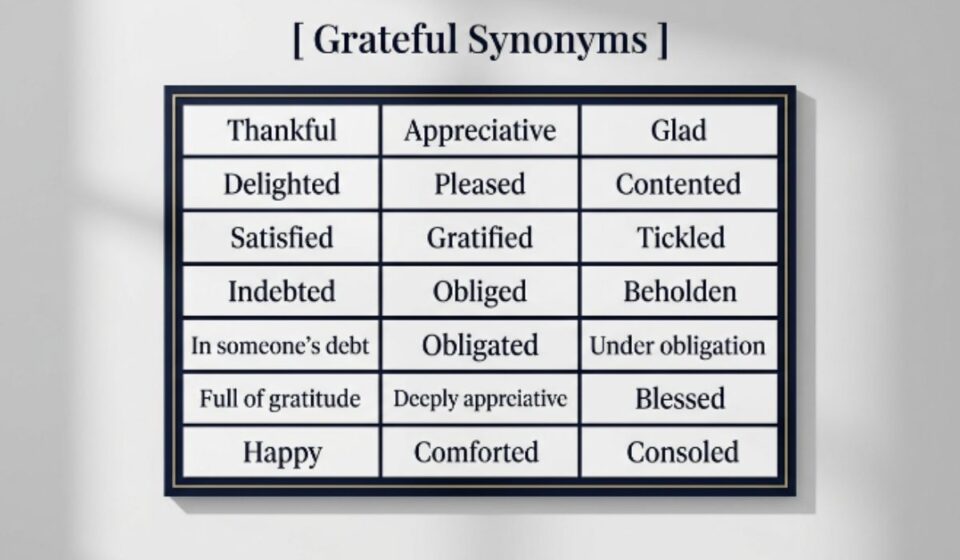

Saying “grateful” over and over can flatten a message that’s actually meant to feel warm and personal. The right synonym can carry more emotion, more precision, or a more natural tone depending on who’s reading it. This guide walks through 35 real alternatives to “grateful,” what each one means, and exactly when it fits.
What Does “Grateful” Really Mean?
“Grateful” means feeling or showing thanks for something someone did, gave, or made possible. It’s an emotional response, not just a polite phrase.
For example, if a friend drives two hours to help you move apartments, you feel grateful. It’s not just politeness. You genuinely recognize the effort they made for you.
Why Look for Alternatives to “Grateful”?
“Grateful” is a strong word, but it loses impact when it’s repeated across a card, speech, or email. Readers notice the repetition before they notice the sentiment behind it.
The word is also somewhat general. It doesn’t say whether the gratitude feels overwhelming, humbling, casual, or tied to a sense of obligation. A synonym can add that extra layer without extra sentences.
Switching between words also makes writing sound more like natural speech. People rarely say “grateful” five times in one conversation. They shift between “thankful,” “touched,” “lucky,” and other words depending on how the moment actually feels.
35 Synonyms for “Grateful” and How to Use Them
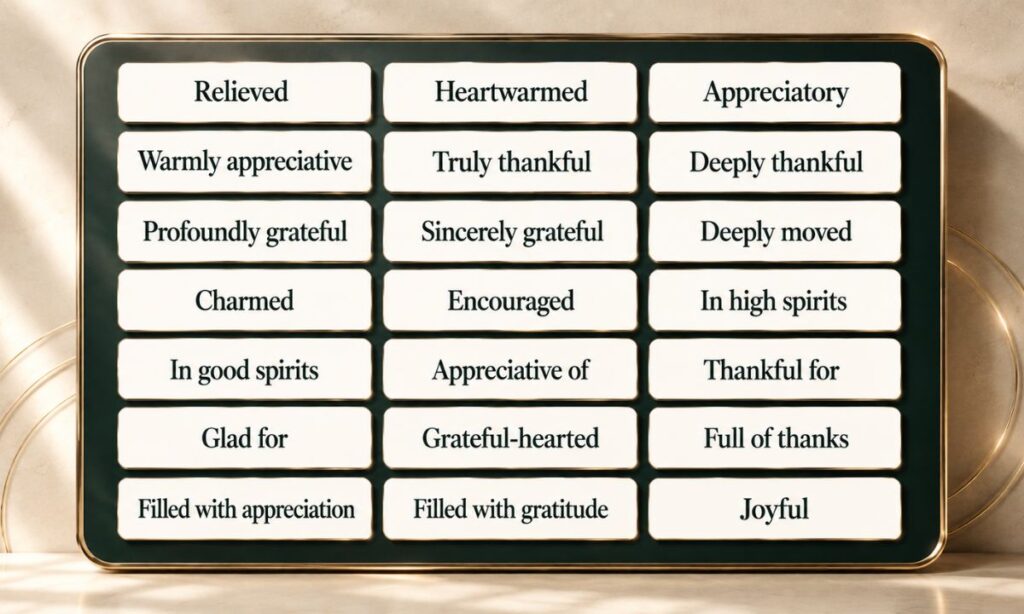
Each entry below includes the meaning, one example sentence, and the situation where it sounds most natural.
Thankful
Meaning: “Thankful” is the most direct and neutral synonym for “grateful.” It works in almost any setting without sounding forced or overly emotional.
Example: “I’m thankful for the extra time you gave me on the report.”
When It Fits: General thank-you notes or everyday appreciation.
Appreciative
Meaning: “Appreciative” focuses on recognizing someone’s effort or value, rather than just feeling thankful. It sounds slightly more formal and thoughtful.
Example: “The team is appreciative of your patience during the transition.”
When It Fits: Workplace feedback or professional emails.
Indebted
Meaning: “Indebted” suggests gratitude mixed with a sense of owing someone something in return. It carries more emotional weight than a simple thank-you.
Example: “I’m indebted to my professor for writing that recommendation letter.”
When It Fits: Situations involving a major favor or long-term help.
Beholden
Meaning: “Beholden” implies a stronger sense of obligation than “indebted,” almost like you owe someone loyalty because of what they did. It’s less common in casual speech.
Example: “He felt beholden to the family who took him in after the fire.”
When It Fits: Serious, formal, or literary writing.
Obliged
Meaning: “Obliged” expresses gratitude tied to a duty or responsibility to repay kindness. It sounds slightly old-fashioned but still works well in polite writing.
Example: “I’d be obliged if you could pass along my thanks to the team.”
When It Fits: Formal letters or polite requests.
Gratified
Meaning: “Gratified” describes a deeper, more satisfying kind of thankfulness, often tied to seeing a result you hoped for. It feels reflective rather than immediate.
Example: “She was gratified to see her students succeed after years of effort.”
When It Fits: Describing long-term satisfaction or achievement.
Touched
Meaning: Touched points to an emotional reaction, often when kindness catches someone off guard. It feels personal and heartfelt.
Example: “I was touched that you remembered my birthday during such a busy week.”
When It Fits: Personal messages or emotional moments.
Moved
Meaning: “Moved” is similar to “touched” but suggests a stronger, sometimes tearful reaction. It works well for meaningful gestures.
Example: “He was moved by the surprise gathering his coworkers organized.”
When It Fits: Describing a strong emotional response to kindness.
Humbled
Meaning: “Humbled” expresses gratitude combined with a feeling of not deserving the kindness received. It often shows up in speeches or public statements.
Example: “I’m humbled by the support this community has shown my family.”
When It Fits: Public speaking, awards, or major recognition.
Blessed
Meaning: Blessed frames gratitude as good fortune, sometimes with a spiritual undertone. It’s common in personal and social contexts.
Example: “We feel blessed to have such supportive neighbors.”
When It Fits: Family updates, social posts, or heartfelt messages.
Pleased
Meaning: Pleased is a lighter, more neutral way to express thankfulness. It doesn’t carry strong emotion, which makes it useful in professional settings.
Example: “I’m pleased with how quickly the team resolved the issue.”
When It Fits: Business updates or neutral feedback.
Content
Meaning: Content suggests quiet satisfaction rather than active thankfulness. It works best when describing a calm, settled feeling.
Example: “She felt content just knowing her parents were proud of her.”
When It Fits: Reflective or personal writing.
Fortunate
Meaning: “Fortunate” emphasizes luck as part of gratitude, as if circumstances lined up in your favor. It feels slightly more objective than emotional.
Example: “We were fortunate to find a mentor so early in our careers.”
When It Fits: Describing lucky timing or opportunities.
Honored
Meaning: “Honored” expresses gratitude mixed with a sense of respect or privilege. It’s often used for recognition or invitations.
Example: “I’m honored to be asked to speak at this year’s ceremony.”
When It Fits: Formal recognition, awards, or invitations.
Delighted
Meaning: Delighted leans more toward joy than gratitude, but it still works when thankfulness comes with genuine happiness. It sounds warm and upbeat.
Example: “We’re delighted that you could join us for the celebration.”
When It Fits: Invitations or celebratory messages.
Overjoyed
Meaning: “Overjoyed” intensifies “delighted,” showing gratitude that comes with strong excitement. It’s best reserved for big, positive moments.
Example: “She was overjoyed when her parents surprised her with the trip.”
When It Fits: Major good news or surprises.
Relieved
Meaning: “Relieved” shows gratitude tied to stress being lifted, rather than pure appreciation. It works well after a difficult situation resolves.
Example: “I’m relieved my coworker covered my shift during the emergency.”
When It Fits: Stressful situations that end well.
Glad
Meaning: Glad is simple and casual, showing mild gratitude without much depth. It fits naturally into everyday speech.
Example: “I’m glad you reminded me about the meeting.”
When It Fits: Casual, low-stakes situations.
Satisfied
Meaning: “Satisfied” focuses on gratitude connected to an outcome meeting expectations. It sounds practical rather than emotional.
Example: “The client seemed satisfied with how the project turned out.”
When It Fits: Business results or completed tasks.
Privileged
Meaning: “Privileged” expresses gratitude for access or opportunity that not everyone gets. It often appears in professional or academic contexts.
Example: “I feel privileged to have studied under such an experienced researcher.”
When It Fits: Career milestones or rare opportunities.
Lucky
Meaning: Lucky is a casual way to express gratitude tied to chance rather than effort. It’s common in everyday speech.
Example: “I’m lucky to have friends who show up whenever I need them.”
When It Fits: Informal conversations about good fortune.
Owing One
Meaning: “Owing you one” is a casual phrase that shows light-hearted gratitude, often between friends. It suggests a future favor rather than deep emotion.
Example: “Thanks for covering my rent this month, I owe you one.”
When It Fits: Friendly, informal exchanges.
Full of Gratitude
Meaning: “Full of gratitude” expresses a strong, overflowing sense of thankfulness. It works well when a simple word feels too small.
Example: “She was full of gratitude after her surgery went smoothly.”
When It Fits: Emotional updates or personal reflections.
Deeply Appreciative
Meaning: “Deeply appreciative” strengthens “appreciative” with added intensity, often used in professional or written acknowledgments. It shows sincerity without sounding casual.
Example: “We are deeply appreciative of your continued partnership this year.”
When It Fits: Business letters or formal thank-you notes.
Forever Grateful
Meaning: Forever grateful suggests gratitude that won’t fade over time, often tied to life-changing help. It carries emotional permanence.
Example: “I’ll be forever grateful for the teacher who believed in me.”
When It Fits: Life-changing support or long-term impact.
Overwhelmed with Gratitude
Meaning: Overwhelmed with gratitude describes an intense emotional response, often when kindness exceeds expectations. It fits big, unexpected gestures.
Example: “The family was overwhelmed with gratitude after strangers rebuilt their porch.”
When It Fits: Large-scale generosity or surprise support.
Filled with Appreciation
Meaning: “Filled with appreciation” is a softer, steady version of overwhelmed, showing calm but genuine thankfulness. It reads well in written messages.
Example: “I’m filled with appreciation for everyone who checked in on me.”
When It Fits: Reflective posts or heartfelt messages.
Counting My Blessings
Meaning: “Counting my blessings” is an idiomatic way to express gratitude for everything good in your life. It feels personal and slightly nostalgic.
Example: “During tough months, I try to focus on counting my blessings.”
When It Fits: Reflective or personal storytelling.
Warmed by Your Kindness
Meaning: Warmed by your kindness highlights the emotional comfort gratitude can bring. It’s specific and works best in direct messages to someone.
Example: “I was warmed by your kindness when you checked in every day.”
When It Fits: Personal thank-you messages.
Truly Thankful
Meaning: “Truly thankful” adds sincerity to a familiar word without changing its tone much. It’s useful when you want emphasis without sounding dramatic.
Example: “We’re truly thankful for everyone who volunteered this weekend.”
When It Fits: Community events or group thank-yous.
Eternally Grateful
Meaning: “Eternally grateful” is stronger than “forever grateful” and is often used for major turning points in life. It’s best saved for meaningful moments.
Example: “I’ll be eternally grateful for the doctors who treated my father.”
When It Fits: Serious, high-impact situations.
Beyond Grateful
Meaning: “Beyond grateful” suggests that regular words don’t fully capture how thankful someone feels. It’s common in emotional or celebratory writing.
Example: “I’m beyond grateful for the support during such a hard year.”
When It Fits: Emotional updates or milestone celebrations.
Appreciatory
Meaning: Appreciative is a formal, less common word that shows recognition of someone’s effort. It works best in academic or professional writing.
Example: “The committee sent an appreciatory note to all contributing researchers.”
When It Fits: Formal acknowledgments or reports.
Recognizing Your Effort
Meaning: Recognizing your effort shifts the focus from feeling to acknowledgment, highlighting the specific work someone put in. It sounds professional and specific.
Example: “I’m recognizing your effort in getting this project done ahead of schedule.”
When It Fits: Workplace praise or performance feedback.
Thanking My Lucky Stars
Meaning: Thanking my lucky stars is a playful, old-fashioned idiom for expressing gratitude for good fortune. It adds personality to casual writing.
Example: “I’m thanking my lucky stars I found this apartment before the rent increase.”
When It Fits: Casual storytelling or lighthearted posts.
Which Alternative Fits Best?
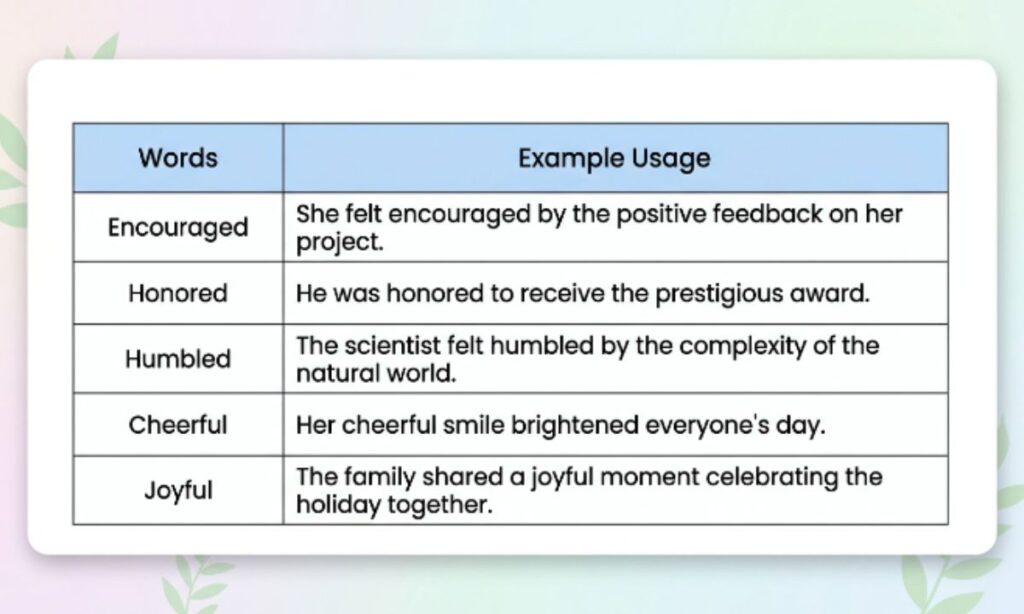
The right synonym depends on tone, relationship, and setting.
- Work and professional writing: appreciative, gratified, deeply appreciative, recognizing your effort
- Emails: thankful, obliged, appreciatory, filled with appreciation
- Friends and casual talk: owing one, lucky, glad, thanking my lucky stars
- School and academic writing: privileged, humbled, appreciative, gratified
- Everyday conversation: thankful, relieved, blessed, touched
When you’re unsure, think about intensity first. Light, casual thanks calls for “glad” or “lucky.” Deep, emotional thanks call for “eternally grateful” or “overwhelmed with gratitude.”
Common Mistakes
Using intense phrases for small favors. Saying you’re “eternally grateful” for someone passing the salt sounds exaggerated. Match each phrase to its corresponding gesture size.
Treating “indebted” and “thankful” as identical. Indebted implies you owe something back. Thankful doesn’t carry that weight, so swapping them changes the meaning.
Overusing idioms in formal writing. Phrases like “thanking my lucky stars” work in casual writing, but they feel out of place in a business report or academic paper.
Repeating the same synonym throughout a piece. Replacing every instance of “grateful” with “thankful” just creates a new repetition problem. Rotate between several options.
Skipping context clues. A phrase like “beyond grateful” needs a genuine emotional moment behind it. Using it for routine situations weakens its impact over time.
Quick Guide Table
Here are 15 more synonyms related to “grateful,” along with where each one fits best.
| Phrase | Formal | Casual | Conversation | |
| Appreciatory | Yes | No | Yes | No |
| Contented | Yes | Yes | Yes | Yes |
| Gladdened | Yes | No | Yes | No |
| Beaming | No | Yes | No | Yes |
| Gracious | Yes | Yes | Yes | Yes |
| Warmhearted | No | Yes | No | Yes |
| Reverent | Yes | No | Yes | No |
| Cherishing | No | Yes | No | Yes |
| Acknowledging | Yes | No | Yes | No |
| Elated | No | Yes | No | Yes |
| Joyful | No | Yes | Yes | Yes |
| Comforted | Yes | Yes | Yes | Yes |
| Consoled | Yes | No | Yes | No |
| Encouraged | Yes | Yes | Yes | Yes |
| Uplifted | No | Yes | No | Yes |
Conclusion
“Grateful” carries real weight, but it can’t express every shade of thankfulness on its own. The right synonym adds warmth, precision, or intensity depending on the moment. Once you know which word fits which situation, your gratitude will sound more genuine and far less repetitive.