
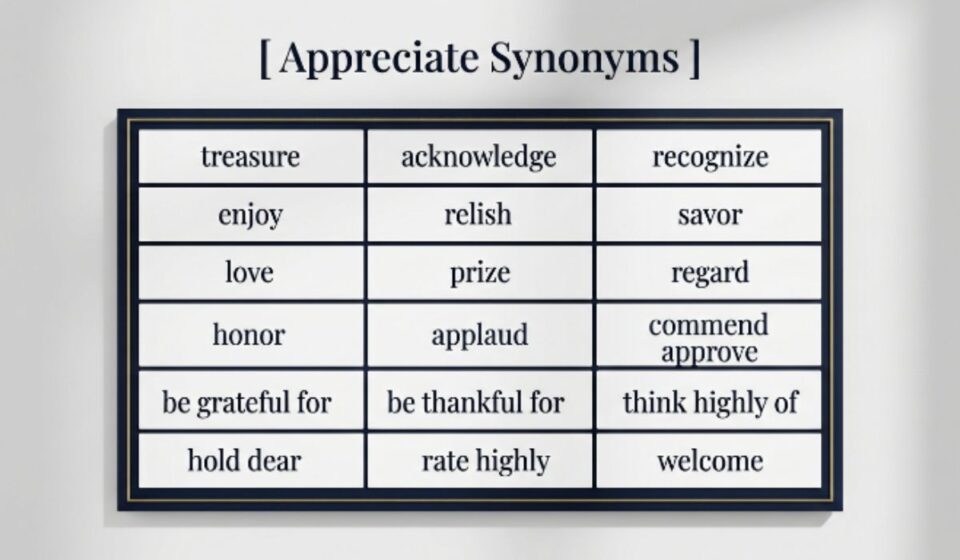

We use the word “appreciate” so often that it starts to lose its punch. You say it in emails, texts, thank-you notes, and everyday chats, and after a while it just blends into the background.
Switching things up matters. The right word can make someone feel truly seen instead of just politely acknowledged. It can turn a plain thank-you into something that actually lands.
This guide walks through what “appreciate” really means, when it starts to feel flat, and 25 fresh alternatives you can use starting today, each with a real example and a situation where it fits best.
What Does “Appreciate” Really Mean?
In plain English, “appreciate” means recognizing the value or worth of something. It can mean understanding something clearly, or it can mean feeling thankful for it.
Think about a coworker who stays late to help you finish a report. When you say “I really appreciate this,” you’re telling them two things at once: you noticed what they did, and it mattered to you.
The word carries weight because it combines recognition and emotion. That’s exactly why it gets overused and why finding the right substitute matters so much.
Why Look for Alternatives to “Appreciate”?
Here’s the problem: when you use the same word every time, it starts to sound automatic instead of genuine.
Picture a manager who ends every email with “I appreciate your effort.” After the tenth time, the phrase stops meaning anything. Employees start reading past it without registering it at all.
The original phrase also struggles to capture different shades of feeling. Sometimes you’re deeply moved. Sometimes you’re simply glad. Sometimes you’re impressed by someone’s skill rather than their kindness. “Appreciate” tries to cover all of that, but it can’t always carry the right tone.
Choosing a more specific word helps your message match your actual feeling, and it helps the other person feel that difference too.
25 Synonyms for “Appreciate” and How to Use Them
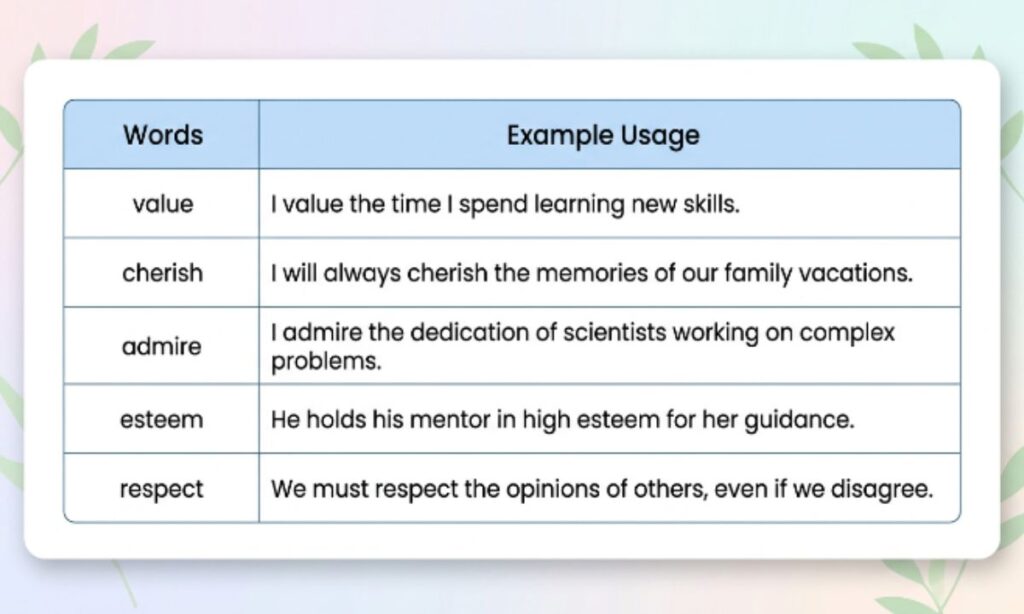
Value
Meaning: To consider something important or worthwhile. This word works well when you want to highlight that something matters to your decisions or priorities, not just your emotions. It gives your message a grounded, thoughtful tone rather than a purely sentimental one.
Example: “I value your honesty, even when the feedback is hard to hear.”
When It Fits: Great for professional feedback or relationship conversations where trust is the main point.
Cherish
Meaning: To hold something close and protect it emotionally. This word leans warm and personal, often used for memories, relationships, or moments that feel irreplaceable. It signals deep emotional attachment rather than casual gratitude.
Example: “I’ll cherish the time we spent together this summer.”
When It Fits: Perfect for personal messages, memories, or heartfelt goodbyes.
Treasure
Meaning: To regard something as precious and rare. This word suggests that what you received or experienced is hard to replace and holds lasting importance. It’s slightly more formal and poetic than “cherish.”
Example: “I treasure the advice my grandfather gave me before he passed.”
When It Fits: Works well in speeches, tributes, or reflective writing.
Admire
Meaning: To respect and look up to someone because of their qualities or actions. This word focuses on impressed respect rather than gratitude, making it ideal when someone’s skill or character stands out to you. It shifts the focus from what they did for you to who they are.
Example: “I admire how calmly you handled that difficult client.”
When It Fits: Ideal for praising someone’s character, skill, or leadership.
Esteem
Meaning: To hold someone in high regard, often due to their reputation or accomplishments. This word carries a formal, almost old-fashioned weight, making it stand out in a good way. It works especially well when addressing someone senior or respected.
Example: “We esteem your contributions to this organization over the past decade.”
When It Fits: Suited for formal recognition, awards, or professional tributes.
Respect
Meaning: To honor someone’s abilities, decisions, or boundaries. This word focuses on acknowledgment rather than emotion, which makes it useful in situations involving disagreement or differing opinions. It shows regard without requiring full agreement.
Example: “I respect your decision, even though I would have chosen differently.”
When It Fits: Useful in workplace disagreements or personal boundary conversations.
Acknowledge
Meaning: To openly recognize that something happened or that someone contributed. This word is direct and factual, which makes it useful when you want clarity more than emotional warmth. It works well in situations where recognition itself is the main point.
Example: “I want to acknowledge the extra hours you put in this week.”
When It Fits: Ideal for team updates, performance reviews, or public recognition.
Recognize
Meaning: To notice and confirm someone’s effort or achievement. Similar to “acknowledge,” but slightly warmer, since it implies you truly saw what someone did, not just that it happened. It works well when effort has gone unnoticed until now.
Example: “I want to recognize Sarah for stepping up during a stressful week.”
When It Fits: Great for team meetings, shoutouts, or public praise.
Relish
Meaning: To enjoy something fully and with real enthusiasm. This word adds energy and excitement, making it useful when gratitude overlaps with genuine enjoyment. It feels more active than simply being thankful.
Example: “I relish every chance I get to learn something new from you.”
When It Fits: Works well in casual, upbeat conversations or creative writing.
Savor
Meaning: To slow down and fully enjoy a moment or experience. This word focuses on presence and mindfulness, which makes it ideal for moments you don’t want to rush past. It brings a reflective, almost peaceful tone to gratitude.
Example: “I want to savor this last weekend before the semester starts.”
When It Fits: Fits personal reflections, travel stories, or slow, meaningful moments.
Commend
Meaning: To formally praise someone for doing something well. This word feels official and structured, which is why it shows up often in workplaces and institutions. It’s less emotional and more evaluative than most alternatives on this list.
Example: “The manager commended the team for meeting the deadline early.”
When It Fits: Best for formal recognition, reports, or official communication.
Be Grateful For
Meaning: To feel thankful for something specific in your life. This phrase leans emotional and personal, often used when reflecting on people, opportunities, or circumstances. It works well when you want your gratitude to feel sincere rather than transactional.
Example: “I’m grateful for the patience you showed while I learned the new system.”
When It Fits: Ideal for personal messages, reflections, or heartfelt thank-yous.
Be Thankful For
Meaning: Similar to “grateful,” but slightly simpler and more everyday in tone. This phrase feels approachable and easy to say out loud, which makes it useful in casual conversation. It doesn’t carry as much formality as “grateful.”
Example: “I’m thankful for friends who show up even on short notice.”
When It Fits: Works well in casual conversations, social posts, or spoken thank-yous.
Love
Meaning: To feel strong affection or enjoyment toward something. This word is casual and emotionally direct, often used for things you enjoy rather than things someone did for you. It works best in informal settings.
Example: “I love how you always remember the small details.”
When It Fits: Great for friendly texts or casual compliments.
Adore
Meaning: To feel deep fondness or admiration, often with a playful or affectionate tone. This word feels warmer and more expressive than “love,” making it useful for close relationships. It’s rarely used in professional contexts.
Example: “I adore how excited you get about small wins.”
When It Fits: Best for close friendships, family, or romantic relationships.
Honor
Meaning: To show deep respect through recognition or action. This word carries weight and formality, often used when someone’s contribution deserves public or lasting acknowledgment. It suggests importance beyond a single moment.
Example: “We honor the volunteers who gave their time throughout the year.”
When It Fits: Fits ceremonies, tributes, or formal recognition events.
Prize
Meaning: To value something as especially important or valuable. This word is slightly formal and works well when describing qualities or relationships you consider rare. It adds a sense of exclusivity to your appreciation.
Example: “I prize honesty above almost anything else in a friendship.”
When It Fits: Useful in reflective writing or thoughtful personal statements.
Applaud
Meaning: To openly praise or celebrate someone’s actions. This word carries energy and enthusiasm, often used when someone’s choice or effort deserves visible recognition. It works well in public or semi-public settings.
Example: “I applaud your decision to speak up during the meeting.”
When It Fits: Great for public recognition, social posts, or encouraging feedback.
Praise
Meaning: To express approval or admiration for someone’s work or behavior. This word is direct and commonly used, making it easy to understand across both casual and professional settings. It focuses on the action rather than the emotional connection.
Example: “Her teacher praised her for helping a classmate without being asked.”
When It Fits: Works well in school settings, workplaces, or general feedback.
Embrace
Meaning: To fully accept and welcome something, often with enthusiasm. This word suggests openness, especially toward change, challenges, or new ideas. It goes beyond simple gratitude into active acceptance.
Example: “I embrace the challenges this new role brings.”
When It Fits: Fits conversations about growth, change, or new opportunities.
Welcome
Meaning: To accept something gladly, often used for feedback, change, or new experiences. This word feels approachable and open, showing that you’re receptive rather than just tolerant. It works especially well when inviting more of something.
Example: “I welcome any feedback that helps me improve.”
When It Fits: Ideal for professional settings involving feedback or collaboration.
Hold Dear
Meaning: To consider something deeply important on a personal level. This phrase feels intimate and reflective, often used for values, memories, or relationships. It works best when you want to express long-term emotional significance.
Example: “I hold dear the lessons my mother taught me growing up.”
When It Fits: Best for personal essays, tributes, or heartfelt speeches.
Regard Highly
Meaning: To think very well of someone’s abilities, character, or reputation. This phrase feels formal and respectful, often used in professional or academic recommendations. It communicates strong approval without excessive emotion.
Example: “I regard highly the professionalism she brings to every project.”
When It Fits: Suited for recommendation letters or formal professional praise.
Take to Heart
Meaning: To let something deeply affect or influence you personally. This phrase suggests that advice, feedback, or kindness genuinely changed how you think or feel. It adds emotional depth beyond simple recognition.
Example: “I took your advice to heart and changed how I handle stress.”
When It Fits: Great for personal growth stories or heartfelt responses to advice.
Give Credit To
Meaning: To acknowledge that someone deserves recognition for a result or success. This phrase focuses on fairness and accuracy, often used when making sure someone’s role isn’t overlooked. It’s practical and grounded rather than emotional.
Example: “I have to give credit to the whole team for pulling this off.”
When It Fits: Perfect for team settings, presentations, or shared accomplishments.
Which Alternative Should You Use?
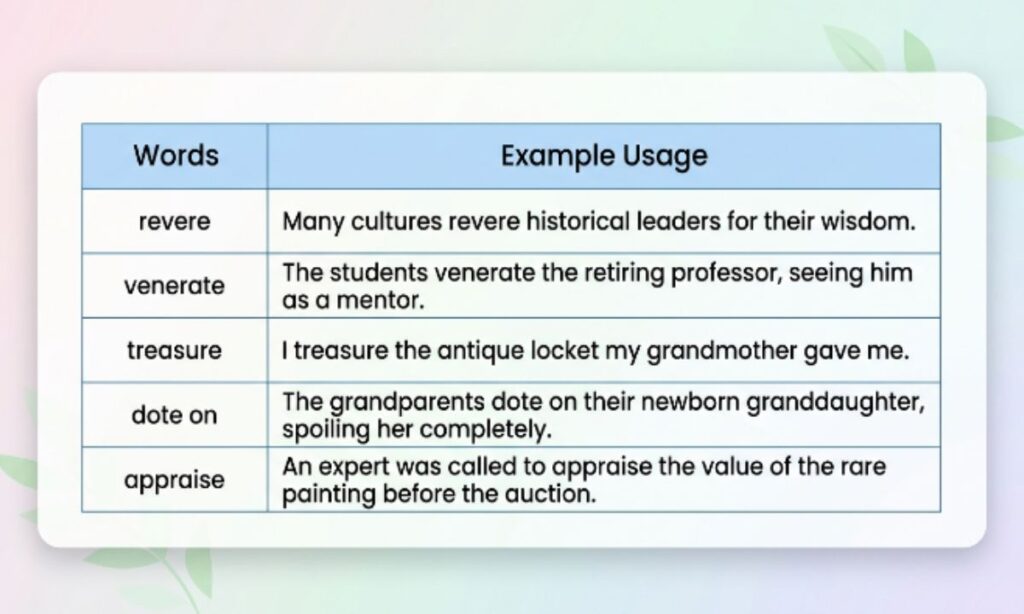
For work and emails: Acknowledge, recognize, commend, and value sound professionalism without feeling stiff.
For friends and casual chats, “love,” “relish,” “adore,” and “be thankful” feel natural and easy to say out loud.
For school settings: Praise, recognize, and give credit work well for teachers, students, and group projects.
For formal or ceremonial writing, “honor,” “esteem,” and “regard highly” carry the right weight and tone.
For everyday conversation: Grateful for, welcome, and appreciate-adjacent phrases like “means a lot” keep things simple and sincere.
Common Mistakes
Many people use formal words like “esteem” or “commend” in casual texts, which can sound stiff or oddly distant.
Some swap “appreciate” for “love” in professional emails, which can come across as too casual for the setting.
People often repeat the same synonym throughout a piece of writing, which creates the same repetitive problem they were trying to avoid.
Others choose emotionally heavy words like “adore” or “cherish” in situations that only call for simple recognition, which can feel exaggerated.
A common mistake is ignoring tone entirely and picking a word just because it sounds fancier, rather than choosing one that matches the actual feeling.
Quick Comparison Table
| Phrase | Formal | Casual | Conversation | |
| Value | Yes | No | Yes | Yes |
| Cherish | Somewhat | Yes | Somewhat | Yes |
| Treasure | Yes | Somewhat | Yes | Somewhat |
| Admire | Yes | Yes | Yes | Yes |
| Esteem | Yes | No | Yes | No |
| Respect | Yes | Yes | Yes | Yes |
| Acknowledge | Yes | No | Yes | Somewhat |
| Recognize | Yes | Somewhat | Yes | Yes |
| Relish | No | Yes | No | Yes |
| Savor | No | Yes | No | Yes |
| Commend | Yes | No | Yes | No |
| Be Grateful For | Somewhat | Yes | Yes | Yes |
| Be Thankful For | No | Yes | Somewhat | Yes |
| Love | No | Yes | No | Yes |
| Adore | No | Yes | No | Yes |
| Honor | Yes | No | Yes | Somewhat |
| Prize | Yes | No | Somewhat | Somewhat |
| Applaud | Somewhat | Yes | Yes | Yes |
| Praise | Yes | Yes | Yes | Yes |
| Embrace | Somewhat | Yes | Yes | Yes |
| Welcome | Yes | Yes | Yes | Yes |
| Hold Dear | No | Yes | No | Yes |
| Regard Highly | Yes | No | Yes | No |
| Take to Heart | No | Yes | Somewhat | Yes |
| Give Credit To | Somewhat | Yes | Yes | Yes |
Conclusion
“Appreciate” is a useful word, but it’s not the only word for the job. Swapping in the right alternative helps your gratitude actually feel personal instead of routine.
Pay attention to tone, setting, and how deeply you actually feel something before picking a word. The right choice can turn a simple thank-you into a message someone genuinely remembers.


[…] To recognize the value or worth of something, often with gratitude. “Appreciate” carries a thoughtful, grateful tone. It suggests reflection rather than instant delight, which makes it a natural fit when you want to […]