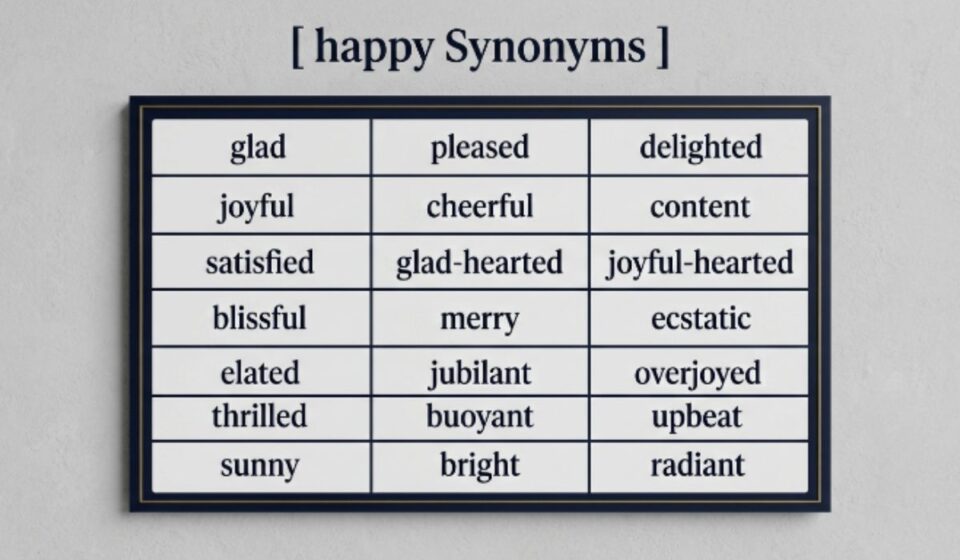

“Happy” is one of the first words we learn, and it stays useful for life. But if you use it in every sentence, your writing starts to feel flat. A wider vocabulary lets you match your tone to the moment—calm and quiet, loud and bursting, or polite and professional.
Swapping in the right word doesn’t just avoid repetition; it makes your message clearer and more honest about how someone actually feels. This guide walks through 35 real alternatives, when to use them, and how to pick the right one without sounding forced.
What Does “Happy” Really Mean?
At its core, “happy” describes a positive feeling—comfort, pleasure, or satisfaction with how things are going. It’s a simple word that covers a huge range of emotion, from mild contentment to full-blown joy.
For example, someone might say, “I’m happy with how the project turned out,” meaning they’re satisfied, not necessarily thrilled. That flexibility is exactly why the word gets overused: it’s easy to reach for, even when a more precise word would say more.
Why Look for Alternatives to “Happy”?
Reusing “happy” in every paragraph makes writing sound repetitive and a little lazy. Readers notice patterns, even subconsciously, and repeated words can make strong emotions feel weaker over time.
The original word also can’t always carry the right weight—it doesn’t distinguish between a quiet sense of peace and an explosion of excitement. Choosing a more specific word signals that you actually thought about what you’re describing, not just filled in a blank.
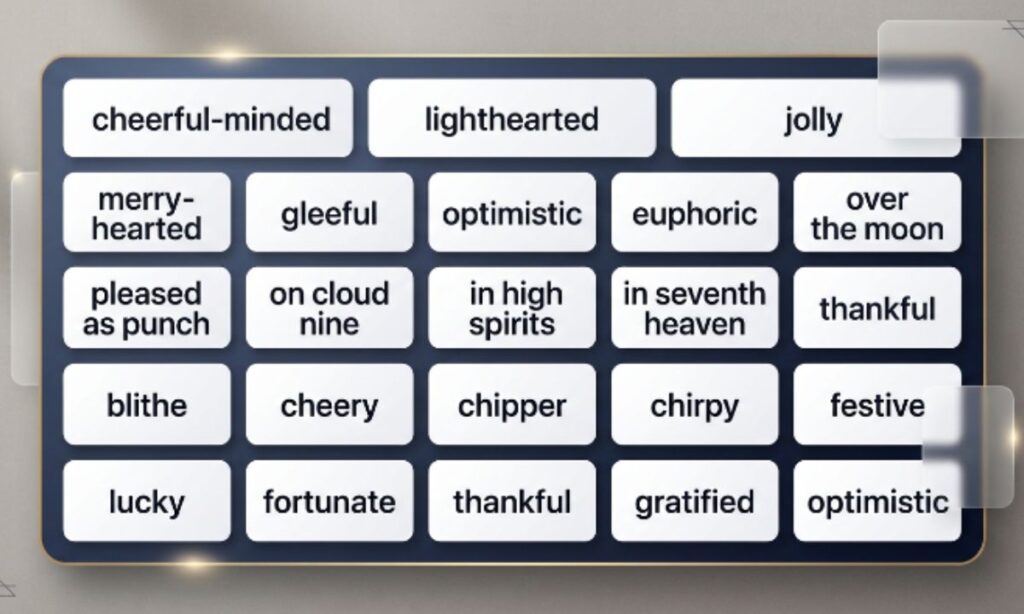
35 Synonyms for “Happy” and How to Use Them
Joyful
Meaning: A deep, visible happiness that often shows in your face or actions. This word carries warmth and energy, making it perfect for moments that deserve celebration. It suggests happiness that spreads outward, not just something felt quietly inside.
Example: The whole team looked joyful after winning the client pitch.
When It Fits: Describing group celebrations or festive occasions.
Glad
Meaning: A light, everyday form of happiness, often tied to relief or approval. It’s casual and easy to drop into conversation without sounding dramatic. This makes it useful when the emotion is real but not overwhelming.
Example: I’m glad you made it home before the storm hit.
When It Fits: Casual chats, texts, or quick check-ins.
Pleased
Meaning: A polished, professional way to express satisfaction. It works well in formal settings where “happy” might sound too casual or emotional. The word keeps things measured while still sounding positive.
Example: We are pleased to confirm your application has been accepted.
When It Fits: Business emails, formal letters, and announcements.
Delighted
Meaning: A stronger, more enthusiastic version of pleased. It adds warmth and genuine excitement without losing professionalism. People use it when they want gratitude and happiness to come through clearly.
Example: She was delighted to see her old college friend at the reunion.
When It Fits: Personal thank-you notes or warm formal replies.
Cheerful
Meaning: A steady, upbeat mood that shows in tone and body language. This word describes a personality trait as much as a passing feeling. It’s great for describing people who bring good energy into a room.
Example: The new barista always greets customers with a cheerful smile.
When It Fits: Describing someone’s general attitude or demeanor.
Content
Meaning: A calm, settled satisfaction rather than excitement. It reflects peace with what you already have, not a need for more. This makes it ideal for describing quiet, lasting happiness.
Example: After years of chasing promotions, he finally felt content with his simple life.
When It Fits: Reflective writing, journaling, or life updates.
Satisfied
Meaning: A sense that expectations were met or exceeded. It’s often tied to results, effort, or outcomes rather than pure emotion. This makes it a natural fit for reviews and feedback.
Example: Most customers left satisfied with the repair service.
When It Fits: Reviews, surveys, and workplace feedback.
Blissful
Meaning: A peaceful, almost dreamlike state of happiness. It suggests an escape from stress, often tied to rest or beauty. The word feels soft and slow rather than loud or energetic.
Example: They spent a blissful weekend away from their phones and deadlines.
When It Fits: Describing vacations, quiet moments, or romantic scenes.
Ecstatic
Meaning: Intense, almost overwhelming happiness. This word signals that ordinary excitement isn’t enough to describe the moment. It works best for big wins or life-changing news.
Example: He was ecstatic when he found out he’d been accepted into the program.
When It Fits: Major achievements or unexpected good news.
Elated
Meaning: A lifted, uplifted feeling of pride and happiness combined. It often follows an accomplishment rather than a simple pleasant event. The tone feels formal but still emotionally rich.
Example: The coach was elated after the team’s first championship win in a decade.
When It Fits: Sports, achievements, and formal recaps.
Merry
Meaning: A festive, lighthearted happiness tied to celebration. This word instantly brings holiday or party energy into a sentence. It rarely fits serious or formal writing.
Example: The house was filled with merry laughter during the holiday dinner.
When It Fits: Holiday greetings and festive storytelling.
Jubilant
Meaning: Loud, triumphant happiness shared by a group. It suggests celebration after victory, struggle, or a hard-won result. The word carries energy that’s almost impossible to miss.
Example: Jubilant fans flooded the streets after the underdog team’s win.
When It Fits: News writing, sports recaps, and public celebrations.
Fortunate
Meaning: Happiness linked to luck or favorable circumstances. It shifts the focus from feeling to the situation itself. This makes it useful when gratitude is tied to timing or chance.
Example: We were fortunate to find parking right before the concert started.
When It Fits: Describing lucky breaks or timely outcomes.
Lucky
Meaning: A casual way to describe good fortune or chance-based happiness. It’s less formal than “fortunate” and fits everyday speech easily. People use it to downplay effort and highlight chance.
Example: I felt lucky to catch the last train home.
When It Fits: Casual storytelling and everyday conversation.
Upbeat
Meaning: A positive, energetic outlook, especially in tone or attitude. It’s often used to describe how someone communicates, not just how they feel. This makes it useful in workplace and social contexts.
Example: Her upbeat message helped calm the whole team before the presentation.
When It Fits: Describing tone in messages, meetings, or speeches.
Sunny
Meaning: A bright, optimistic personality or mood. This word borrows imagery from weather to describe warmth and positivity. It works well for light, friendly descriptions.
Example: Despite the tough week, she kept a sunny outlook on things.
When It Fits: Describing personality traits or general mood.
Buoyant
Meaning: A light, resilient happiness that bounces back from setbacks. It suggests energy that stays afloat even under pressure. The word fits situations involving recovery or momentum.
Example: The market stayed buoyant despite early concerns about the report.
When It Fits: Business, economic, or motivational writing.
Rapturous
Meaning: Extremely intense, almost overwhelming joy. It’s a strong, dramatic word best saved for standout moments. Overusing it can make ordinary events sound exaggerated.
Example: The band received a rapturous welcome from the sold-out crowd.
When It Fits: Performances, reviews, and big public reactions.
Exuberant
Meaning: Overflowing, high-energy happiness that’s hard to contain. It often describes children, celebrations, or enthusiastic personalities. The word feels active rather than calm.
Example: The kids were exuberant on the last day of school.
When It Fits: Describing children, celebrations, or bursts of energy.
Gratified
Meaning: Happiness that comes from recognition or a job well done. It ties satisfaction directly to effort or approval from others. This makes it a strong fit for professional achievements.
Example: The volunteers felt gratified seeing the finished community garden.
When It Fits: Recognizing effort, service, or completed goals.
Optimistic
Meaning: A forward-looking happiness based on hope for the future. It focuses less on the present moment and more on expectation. This word works well when describing outlook rather than emotion.
Example: Despite the setback, the founders stayed optimistic about next quarter.
When It Fits: Business updates, forecasts, and motivational writing.
Thrilled
Meaning: Excited happiness with a spike of adrenaline. It suggests something unexpected or highly anticipated just happened. The word carries more energy than “pleased” or “glad.”
Example: She was thrilled to be offered the lead role in the play.
When It Fits: Announcing good news or personal wins.
Overjoyed
Meaning: Happiness so strong it feels like too much to hold in. It’s often used for emotional, personal moments rather than casual ones. The word leans dramatic and heartfelt.
Example: The parents were overjoyed to hear their daughter’s test results.
When It Fits: Emotional family news or long-awaited outcomes.
Radiant
Meaning: Happiness that visibly glows through someone’s expression. It’s often used to describe appearance alongside emotion. The word suggests beauty and joy combined.
Example: The bride looked radiant walking down the aisle.
When It Fits: Weddings, portraits, and descriptive writing.
Chuffed
Meaning: A British, informal way to say pleased or proud. It adds personality and a conversational tone to writing. The word feels friendly rather than formal.
Example: He was chuffed to bits about finishing his first marathon.
When It Fits: Informal blogs, chats, or British-style writing.
Tickled Pink
Meaning: An idiom meaning delighted, often about something small or surprising. It adds humor and warmth that plain words can’t match. This phrase works best in relaxed, friendly writing.
Example: Grandma was tickled pink when we surprised her with a video call.
When It Fits: Light, humorous storytelling or family stories.
On Cloud Nine
Meaning: An idiom describing extreme happiness, like floating above ordinary life. It captures a feeling too big for a single plain word. The phrase works well in personal, narrative writing.
Example: After the proposal, she was on cloud nine for days.
When It Fits: Romantic or personal milestone stories.
Over the Moon
Meaning: An idiom for being extremely happy or excited about news. It’s widely used in casual British and American English alike. The phrase adds emotional punch without sounding formal.
Example: We were over the moon when the adoption was finally approved.
When It Fits: Sharing exciting personal or family news.
In Seventh Heaven
Meaning: An older idiom meaning perfect, complete happiness. It has a slightly poetic, old-fashioned feel compared to modern phrases. Use it when you want writing to sound a bit more literary.
Example: Sitting by the lake with a good book, he was in seventh heaven.
When It Fits: Descriptive, reflective, or creative writing.
Walking on Air
Meaning: An idiom describing a light, floating feeling of happiness. It’s often tied to romance, success, or sudden relief. The phrase paints a physical picture of emotional lightness.
Example: She left the interview walking on air, sure she’d gotten the job.
When It Fits: Storytelling about relief or unexpected success.
Happy as Larry
Meaning: An informal idiom meaning completely content or carefree. Its origin is debated, which gives it a bit of charm in casual writing. It works best in relaxed, conversational tones.
Example: Give him a fishing rod and a quiet lake, and he’s happy as Larry.
When It Fits: Informal storytelling or dialogue.
Auspicious
Meaning: Describing something that suggests good fortune ahead. It shifts focus from a person’s feeling to a promising sign or beginning. This word fits formal or ceremonial contexts well. Example: The company chose an auspicious date to launch its first product. When It Fits: Formal announcements or symbolic timing.
Propitious
Meaning: Favorable or promising, especially regarding timing or conditions. It’s a formal cousin of “lucky,” often used in planning contexts. The word suits writing that feels careful and deliberate.
Example: Investors called the market conditions propitious for the merger.
When It Fits: Business, legal, or formal strategic writing.
Opportune
Meaning: Happening at exactly the right time to bring a good result. It focuses on timing rather than emotion, unlike most words on this list. This makes it useful for describing lucky timing in decisions.
Example: The rain stopped at the opportune moment, right before the outdoor wedding.
When It Fits: Describing timing in plans, events, or decisions.
Favorable
Meaning: Conditions or outcomes that work in someone’s favor. It’s a neutral, practical word often used in reports and forecasts. The tone stays objective rather than emotional.
Example: The weather forecast looks favorable for this weekend’s hike.
When It Fits: Forecasts, reports, and outcome-based writing.
Which Alternative Should You Use?
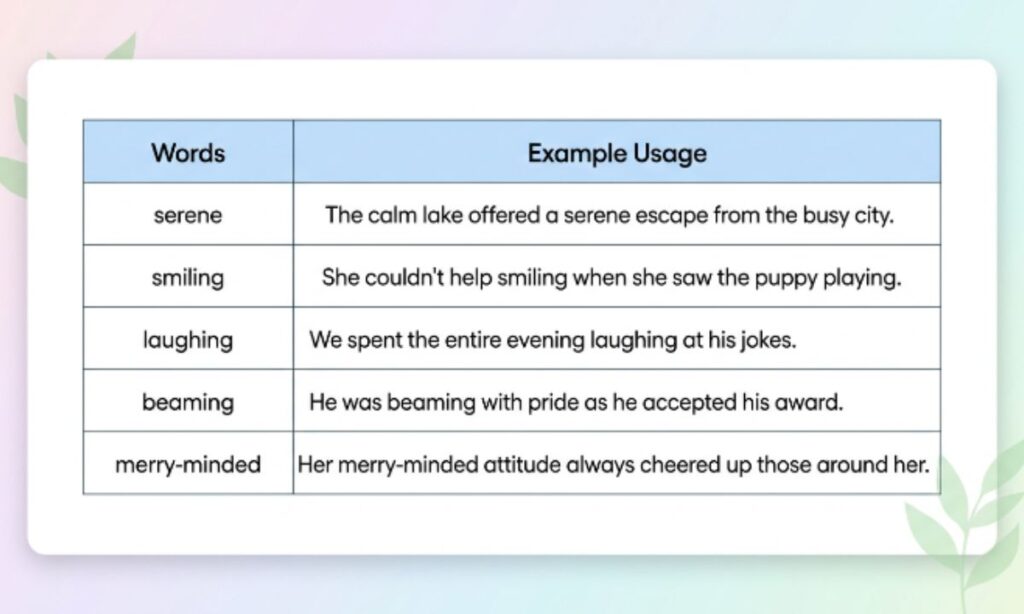
For work emails, “pleased,” “gratified,” or “delighted” strike the right professional tone. For casual texts and everyday chats, “glad,” “chuffed,” or “over the moon” feel natural and warm. School essays and formal writing benefit from precise words like “content,” “elated,” or “optimistic.”
Talking with friends calls for relaxed idioms like “on cloud nine” or “happy as Larry.” For everyday storytelling, mix emotional words like “radiant” or “buoyant” to keep descriptions fresh.
Common Mistakes
- Using intense words like “ecstatic” or “rapturous” for minor, everyday events, which makes writing feel exaggerated.
- Dropping idioms like “walking on air” into formal business writing, where they feel out of place.
- Confusing “fortunate” or “lucky” with pure emotional happiness, when they actually describe circumstances.
- Repeating the same alternative word throughout an entire piece, which recreates the original problem.
- Choosing a formal word like “propitious” in casual conversation, where it sounds stiff or unnatural.
Quick Decision Guide
| Writing Goal | Best Tone to Aim For | Key Question to Ask | Quick Tip |
| Persuading a reader | Confident, warm | Does this word build trust? | Avoid words that sound exaggerated or salesy |
| Comforting someone | Gentle, calm | Does this feel genuine, not forced? | Choose softer, quieter language over loud excitement |
| Reporting facts or data | Neutral, precise | Is this word measurable or just emotional? | Favor outcome-based language over pure feeling |
| Writing for social media | Energetic, relatable | Would a friend actually say this out loud? | Keep phrasing short and conversational |
| Formal business writing | Polished, respectful | Does this match the reader’s expectations? | Avoid slang, idioms, and overly casual phrasing |
| Creative or personal writing | Expressive, vivid | Does this word paint a picture? | Use sensory or descriptive language freely |
Conclusion
Choosing the right word for happiness makes your writing feel sharper and more sincere. Each alternative carries its own shade of meaning, tone, and setting. With this list, you’ll never have to settle for “happy” when a better word is waiting.