
Repeating the word “powerful” in every sentence makes strong writing feel weak fast. The right synonym tells your reader exactly what kind of power you mean, whether it’s physical strength, political influence, or emotional force.
Different situations call for different shades of power, and matching the word to the moment makes your message hit harder. This guide breaks down 30 alternatives so you always have a sharper word on hand.
What Does “Powerful” Really Mean?
“Powerful” describes something or someone with great strength, influence, or effect on others. It applies to people, ideas, objects, and even feelings.
For example, a CEO who can shift an entire industry with one decision is powerful, and so is a strong cup of coffee that jolts you awake instantly. The word stretches across very different situations, which is exactly why one synonym rarely fits every case.
Why Look for Alternatives to “Powerful”?
“Powerful” gets used so often that it starts to blur together with everything else in a sentence. It also doesn’t specify what kind of power is at play, whether that’s physical, political, emotional, or persuasive.
Using the same word repeatedly in an essay, pitch, or article makes your writing sound generic. A more specific synonym adds precision and keeps your reader engaged instead of skimming past a familiar word.
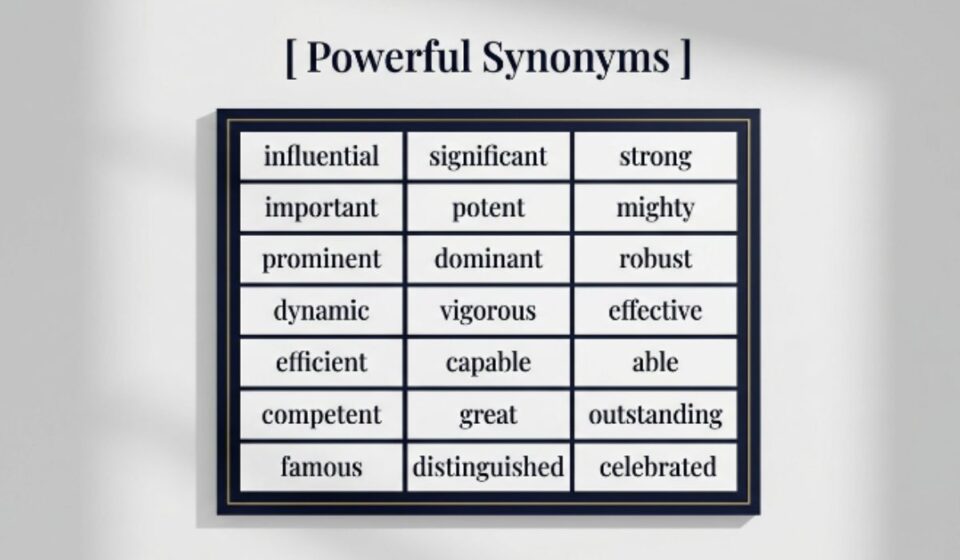
30 Synonyms for “Powerful” and How to Use Them
Influential
Meaning: Describes someone who shapes decisions, opinions, or outcomes without needing to use force. Their power comes from respect, reputation, or connections rather than raw strength. This word fits leaders, mentors, or public figures whose word carries weight. It works well in professional or political writing where impact matters more than physical force.
Example: “She’s one of the most influential voices in modern architecture.”
When It Fits: Describing someone who shapes opinions or industry trends.
Strong
Meaning: The most direct, everyday synonym, covering both physical strength and general intensity. It’s simple and versatile, working in casual conversation and formal writing alike. This word fits almost any context where “powerful” feels slightly too dramatic. It’s a safe, natural default when you need a quick, clear substitute.
Example: “The bridge was built to handle strong winds and heavy loads.”
When It Fits: Everyday descriptions of physical or structural strength.
Mighty
Meaning: Suggests power on a grand, almost legendary scale. It carries a slightly dramatic or poetic tone, often used for nature, history, or larger-than-life figures. This word works well in storytelling or descriptive writing where you want the reader to feel the scale of something. It’s less common in everyday conversation.
Example: “The mighty river carved the canyon over millions of years.”
When It Fits: Describing nature, history, or epic-scale forces.
Potent
Meaning: Focuses on concentrated strength or effect, often used for chemicals, arguments, or emotions. It implies that a small amount produces a big result. This word fits situations where intensity matters more than size, like a strong medicine or a sharp argument. It adds precision when “powerful” feels too vague.
Example: “The potent argument changed several minds in the room.”
When It Fits: Describing intense effects from something small or concentrated.
Forceful
Meaning: Highlights assertiveness and directness, often in speech or action. It suggests someone pushed hard to make their point or get results. This word fits leadership, negotiation, or moments where confidence carried the message. It leans slightly aggressive, so it works best when intensity is the goal.
Example: “His forceful delivery left no room for pushback.”
When It Fits: Describing assertive speech or confident action.
Dominant
Meaning: Describes something or someone that clearly leads or controls a situation. It suggests comparison, since dominance only makes sense relative to others. This word fits competitive settings like sports, business, or rankings. It works well when you want to highlight a clear leader in a group.
Example: “The company remained the dominant player in the market.”
When It Fits: Describing leaders in competitive or ranked situations.
Robust
Meaning: Suggests strength combined with durability, often used for systems, health, or economies. It implies something can handle pressure without breaking. This word fits technical, business, or health-related writing where reliability matters as much as strength. It sounds more measured than dramatic.
Example: “The economy showed robust growth despite global uncertainty.”
When It Fits: Describing systems, health, or economic strength.
Vigorous
Meaning: Focuses on energy and liveliness behind an action. It suggests movement, effort, and enthusiasm rather than static strength. This word fits physical activity, debates, or campaigns where energy drives the outcome. It adds a sense of motion that “powerful” alone doesn’t capture.
Example: “The team launched a vigorous campaign to win back customers.”
When It Fits: Describing energetic effort or lively action.
Commanding
Meaning: Describes a presence or voice that naturally draws attention and respect. It implies authority without needing to raise a fist or a voice. This word fits leadership, public speaking, or moments where someone controls a room simply by being present. It’s a great match for personality-driven power.
Example: “Her commanding presence silenced the room instantly.”
When It Fits: Describing someone who naturally holds authority.
Formidable
Meaning: Suggests power that inspires respect or even a bit of intimidation. It’s often used for opponents, challenges, or reputations that are hard to ignore. This word fits competitive or high-stakes situations where the other side shouldn’t be underestimated. It adds tension and weight to a description.
Example: “She built a formidable reputation in courtroom negotiations.”
When It Fits: Describing tough opponents or serious challenges.
Authoritative
Meaning: Credibility points backed by knowledge, position, or confidence. It suggests the person or source can be trusted because of their expertise. This word fits writing, teaching, or leadership contexts where accuracy and trust matter. It’s less about force and more about earned respect.
Example: “The report offered an authoritative look at climate trends.”
When It Fits: Describing expert or trustworthy sources.
Compelling
Meaning: Describes something so convincing it’s hard to ignore or argue against. It applies to stories, arguments, and ideas that pull people in. This word fits writing, pitches, and presentations where persuasion is the goal. It focuses on emotional or logical pull rather than raw force.
Example: “The documentary made a compelling case for renewable energy.”
When It Fits: Describing persuasive arguments or gripping stories.
Dynamic
Meaning: Suggests energy combined with constant motion or change. It’s often used for people, teams, or environments that adapt quickly and keep momentum. This word fits business, sports, or creative settings where adaptability is part of the power. It feels modern and active.
Example: “The startup thrives thanks to its dynamic leadership team.”
When It Fits: Describing energetic, adaptable people or teams.
Effective
Meaning: Focuses purely on results rather than style or intensity. It suggests something works well, regardless of how flashy it looks. This word fits practical writing like reviews, reports, or instructions where outcomes matter most. It’s a grounded, results-first alternative to “powerful.”
Example: “The new training program proved highly effective within weeks.”
When It Fits: Describing results-driven success in practical settings.
Capable
Meaning: Highlights skill and reliability rather than dramatic strength. It suggests someone can handle a task well, even without flashy power. This word fits professional or everyday contexts where competence matters more than impact. It’s a modest, understated choice.
Example: “The new manager proved capable of handling difficult clients.”
When It Fits: Describing reliable skill in everyday tasks.
Prominent
Meaning: Describes visibility and recognition rather than raw strength. It fits people or things that stand out clearly within their field. This word works well in professional bios, news writing, or introductions where status matters. It leans more toward reputation than force.
Example: “He’s a prominent figure in the local business community.”
When It Fits: Describing well-known people or standout figures.
High-Powered
Meaning: Suggests intense capability, often used for machines, careers, or fast-paced environments. It implies more strength or speed than average. This word fits technical writing, career descriptions, or anything involving performance under pressure. It has a modern, energetic tone.
Example: “She left her high-powered law career to start a nonprofit.”
When It Fits: Describing intense careers or high-performance systems.
Energetic
Meaning: Focuses purely on liveliness and enthusiasm rather than control or influence. It fits people, performances, or activities full of visible energy. This word works well in casual writing or descriptions of personality and mood. It feels lighter than most other alternatives on this list.
Example: “The energetic crowd kept the momentum going all night.”
When It Fits: Describing lively personalities or high-energy moments.
Intense
Meaning: Suggests strong emotional or physical pressure, often felt rather than seen. It fits situations involving stress, focus, or heightened emotion. This word works well in storytelling, sports, or personal writing where feelings run high. It adds emotional depth to a description.
Example: “The final match had an intense, nail-biting finish.”
When It Fits: Describing high-pressure or emotionally charged moments.
Impactful
Meaning: Focuses on lasting effect rather than immediate strength. It suggests something changed a situation or left a memorable impression. This word fits marketing, reviews, or reflections on meaningful experiences. It’s become common in modern business and creative writing.
Example: “The keynote speech was the most impactful part of the event.”
When It Fits: Describing lasting impressions or meaningful outcomes.
Unstoppable
Meaning: Suggests power that can’t be slowed down or blocked, often used for momentum or determination. It fits sports, business growth, or personal drive where nothing seems to get in the way. This word adds excitement and confidence to a description.
Example: “Their winning streak felt completely unstoppable this season.”
When It Fits: Describing unstoppable momentum or determination.
Overpowering
Meaning: Describes something so strong it overwhelms everything around it, sometimes negatively. It fits smells, emotions, or forces that dominate a moment completely. This word works well when intensity crosses into being too much to handle.
Example: “The overpowering scent of perfume filled the small room.”
When It Fits: Describing overwhelming sensory or emotional intensity.
Muscular
Meaning: Refers to physical strength, often describing bodies, structures, or writing style with a strong, forceful quality. It fits fitness, sports, or vivid descriptive writing. This word adds a tangible, physical image to the idea of power.
Example: “His muscular frame made the heavy lifting look easy.”
When It Fits: Describing physical strength in people or structures.
Sturdy
Meaning: Suggests reliable strength built to last, often used for objects or relationships. It’s less dramatic than “powerful,” focusing instead on durability and dependability. This word fits practical descriptions where trustworthiness matters more than intensity.
Example: “The sturdy table held up through years of daily use.”
When It Fits: Describing durable objects or dependable relationships.
Dominating
Meaning: Similar to dominant, but with a more active, ongoing sense of control. It suggests someone is actively winning or leading rather than simply holding a position. This word fits sports commentary, competitive analysis, or descriptions of clear front-runners.
Example: “She delivered a dominating performance in the finals.”
When It Fits: Describing active, in-the-moment control or victory.
Persuasive
Meaning: Focuses on the ability to change minds through logic, emotion, or charm. It fits arguments, sales pitches, or speeches designed to convince an audience. This word highlights influence through communication rather than physical or political strength.
Example: “His persuasive pitch convinced the investors within minutes.”
When It Fits: Describing convincing arguments or pitches.
Imposing
Meaning: Describes something that commands attention through size, presence, or seriousness. It often applies to buildings, people, or situations that feel intimidating simply by existing. This word fits descriptive writing where visual or emotional weight matters.
Example: “The imposing courthouse steps made visitors feel small.”
When It Fits: Describing intimidating size, presence, or seriousness.
Supreme
Meaning: Suggests the highest possible level of power, skill, or authority. It’s often used for rankings, titles, or achievements at the very top of a field. This word fits formal writing, awards, or situations describing an undisputed leader.
Example: “The team earned supreme confidence after their winning season.”
When It Fits: Describing top-tier achievement or unmatched authority.
Preeminent
Meaning: Describes someone widely recognized as the best or most important in their field. It leans formal and is often used in academic, professional, or biographical writing. This word fits situations where reputation and expertise stand above competitors.
Example: “He’s considered the preeminent researcher in the field.”
When It Fits: Describing top experts or leading authorities.
Vehement
Meaning: Focuses on strong, forceful emotion, often expressed through speech or opposition. It fits arguments, protests, or passionate reactions where feelings run intense. This word adds emotional charge to a description of power.
Example: “Her vehement objection stopped the meeting in its tracks.”
When It Fits: Describing strong emotional reactions or objections.
Which Alternative Fits Best?
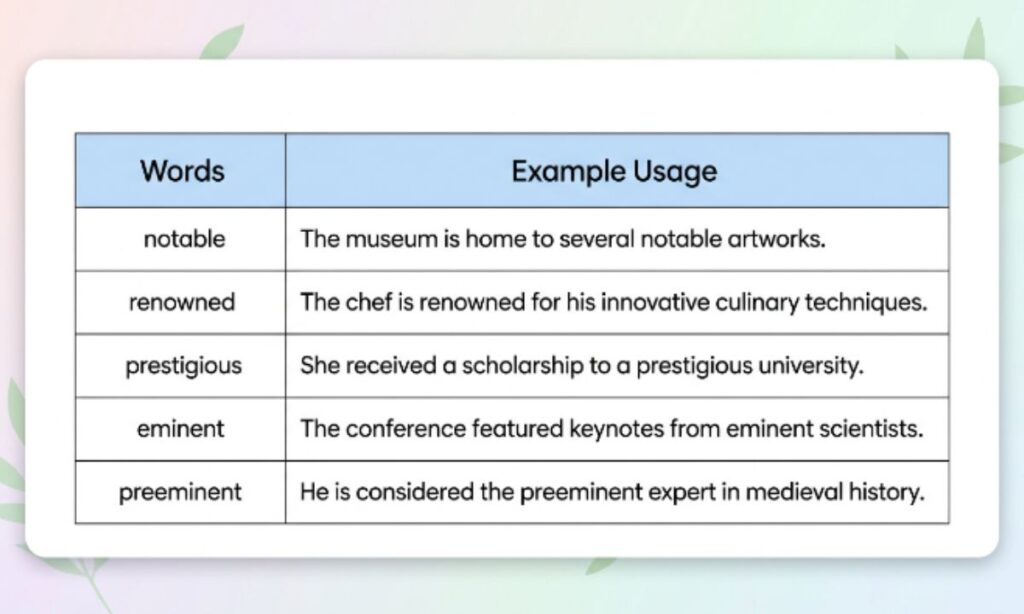
For work and professional writing, use “influential,” “authoritative,” or “effective,” since they highlight credibility. In emails, robust, capable, and impactful sound polished without being dramatic. With friends, energetic, unstoppable, and intense feel natural and casual. At school, compelling and persuasive work well for essays and presentations. For everyday conversation, strong, mighty, and forceful cover most situations without sounding forced.
Common Mistakes
- Using dramatic words like “overpowering” or “vehement” for mild situations
- Choosing formal words like “preeminent” in casual texts or chats
- Confusing “dominant” with “dominating,” since one describes a state and the other an action
- Overusing one favorite synonym instead of matching the word to context
- Forgetting that words like “sturdy” and “capable” sound modest, not flashy
Quick Guide Table
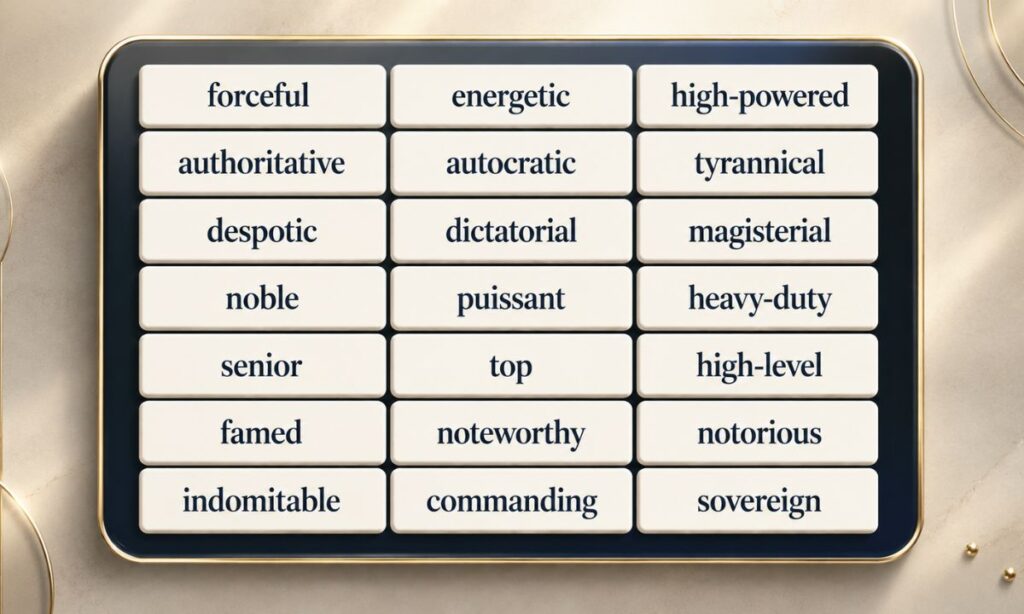
Beyond the 30 words above, several more synonyms capture different shades of power depending on tone and setting. Some fit formal writing, while others suit casual conversation or quick messages. Use the table below to match the right word to the right moment. Building a mental list like this saves time and keeps your writing fresh.
| Phrase | Formal | Casual | Conversation | |
| Puissant | Yes | No | No | No |
| Heavy-Duty | Yes | Yes | Yes | Yes |
| Explosive | No | Yes | No | Yes |
| Titanic | Yes | Yes | Yes | Yes |
| Herculean | Yes | Yes | Yes | Yes |
| Overwhelming | Yes | Yes | Yes | Yes |
| Fierce | No | Yes | No | Yes |
| Assertive | Yes | Yes | Yes | Yes |
| Weighty | Yes | No | Yes | No |
| Rugged | No | Yes | No | Yes |
| Emphatic | Yes | Yes | Yes | Yes |
| Resounding | Yes | No | Yes | No |
| Formidable-Looking | No | Yes | No | Yes |
| Iron-Willed | No | Yes | No | Yes |
| Unyielding | Yes | Yes | Yes | Yes |
Conclusion
Choosing the right synonym for “powerful” makes your writing sharper and more precise. Each word carries its own type of strength, from physical force to quiet authority. Keep this list handy, and your writing will never sound repetitive again.